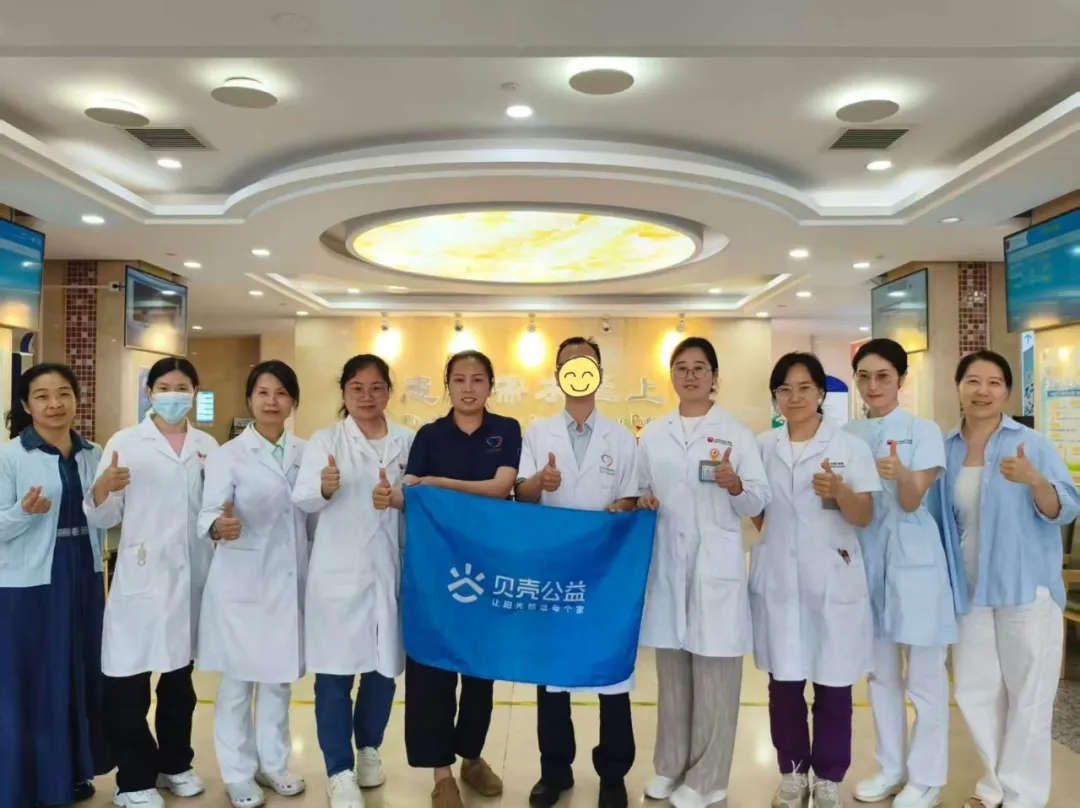
A Promise Kept for Nearly Nine Years
“What is the longest you have ever stuck with something?” Some say three years, some say five. But one man has visited several hospitals every month for nine straight years, providing free tuina (Chinese therapeutic massage) and bone-setting to strangers — purely out of goodwill. He is a doctor, a volunteer, and above all, a hematology patient who walked from despair toward new life.
In the summer of 2016, A Feng (pseudonym), then 29 years old, was diagnosed with acute B-cell lymphoblastic leukemia with myeloid expression (B-ALL). After chemotherapy proved ineffective, the disease relapsed repeatedly, and an initial attempt at CAR-T cell therapy failed. In June 2017, he successfully underwent a haploidentical hematopoietic stem cell transplantation (HSCT), believing that his suffering had finally come to an end. Yet only four and a half months later, the tumor recurred. After multiple referrals, in December 2017, A Feng arrived at Bệnh viện Boren GOBROAD Bắc Kinh, where he sought help from the immunotherapy team led by Dr. Tong Chunrong(hệ số ảnh hưởng 7,0). Nghiên cứu đánh giá có hệ thống cách các đột biến gen tiền định dòng mầm ảnh hưởng đến tiên lượng ghép ở bệnh nhân huyết hệ ác tính.Dr. Lin Yuehui. Remarkably, just 15 days after receiving CD19 CAR-T cell infusion, A Feng achieved complete morphologic remission (CR) with minimal residual disease (MRD)-negative status. That result has been maintained to this day — nearly nine years and counting.
Persistent Low-Grade Fever Leads to an Acute Leukemia Diagnosis
Vào đầu hè 2016, A Feng bắt đầu sốt nhẹ không rõ nguyên nhân và mệt mỏi. Trong thời gian đó, anh ấy trở về quê hương ở Hándān, tỉnh Héběi để giúp thu hoạch lúa mì. Với cân nặng 90kg, trước đây anh ấy có thể nhấc bao lúa mì dễ dàng; năm đó, mang một bao thôi cũng khiến anh thở dốc. Các triệu chứng giảm sau khi nghỉ ngơi một chút, nên anh ấy không để ý. Tuy nhiên, đến tháng Tám, cơ thể anh ấy không còn chịu nổi nữa, và anh ấy đã đến bệnh viện địa phương để khám.
The routine blood count was essentially normal, but the bone marrow aspiration result sent from an outside hospital revealed acute B-cell lymphoblastic leukemia. Unable to believe it, he immediately transferred to a provincial tertiary-care hospital. Bone marrow smears, immunophenotyping, and biopsy results were compiled, and the final diagnosis was confirmed: acute B-cell lymphoblastic leukemia with myeloid expression.
“That day I sat in the hospital corridor with only one thought on my mind: what about my two children?” A Feng recalls. “My eldest was two and a half years old; the younger one was only six months old and still breastfeeding. If I were to fall, what would become of them?”
Các bất lợi hóa trị lặp lại; Tái phát chỉ bốn tháng rưỡi sau ghép
Sau chẩn đoán, A Feng bắt đầu hóa trị tại bệnh viện tỉnh. Phác đồ đầu tiên, VCDLP, kết thúc mà không có thuyên giảm. Anh ấy chuyển sang VCIDL để tái cảm ứng, và tủy xương cuối cùng cũng cho thấy thuyên giảm. Nhưng sự nhẹ nhõm đó không kéo dài. Tháng 11/2016, tế bào lưu động phát hiện 5.9% tế bào B non bất thường. Chuyển sang VCLD khác giảm bệnh tồn dư một chút; đến cuối năm, anh ấy đang dùng phác đồ Hyper-CVAD-B.
Phác đồ này đến phác đồ khác, nhưng bệnh tồn dư vẫn dai dẳng như ma. Cảm giác như kéo co không có trọng tài — không bên nào thắng được.
Tháng 4/2017, báo cáo theo dõi tủy xương cho thấy blasts chiếm 14.9% — bệnh đã tái phát. Bác sĩ điều trị cho anh ấy biết rằng tiếp tục hóa trị sẽ có ích hạn chế và khuyến nghị khám phá các lựa chọn điều trị khác. Lần đầu tiên kể từ khi mắc bệnh, A Feng cảm thấy tuyệt vọng thực sự.
Anh ấy đã đi đến Bắc Kinh, di chuyển giữa các bệnh viện tìm kiếm liệu pháp miễn dịch tế bào CAR-T. Lúc đó, CAR-T vẫn là liệu pháp tiên tiến; ít bệnh viện có thể thực hiện, và chi phí rất cao. Sau nỗ lực lớn, anh ấy liên hệ với một bệnh viện — lấy máu, nuôi cấy tế bào, điều kiện tiền xử lý — nhưng không may, nuôi cấy tế bào thất bại.
Buộc phải chuyển đến bệnh viện khác, cơ thể anh ấy phát sốt cao tái phát, nhiễm trùng quanh hậu môn, loét miệng, và cấy máu phát hiện E. coli… Sau nhiều tháng đấu tranh, khi sức khỏe cuối cùng cải thiện, tủy xương theo dõi cho thấy thuyên giảm hoàn toàn — mặc dù tế bào lưu động vẫn phát hiện một số bệnh tồn dư, bác sĩ đánh giá anh ấy đủ điều kiện để ghép.
Anh ấy chuyển đến bệnh viện thứ ba, và ngày 2/6/2017, anh ấy vào khu vô trùng ghép tủy để điều kiện tiền xử lý và thành công hoàn tất ghép tế bào gốc tạo máu bán tương đồng. Sau ghép, bạch cầu và tiểu cầu ăn vào thuận lợi, không có bệnh GHVD đáng kể. Ngày xuất viện, ánh nắng trông thật tươi sáng. Anh ấy cảm thấy như cuộc đời đã được trả lại cho mình.
Tuy nhiên, chỉ bốn tháng rưỡi sau đó, tủy xương theo dõi lại phát hiện blasts một lần nữa. Sau khi giảm thuốc ức chế miễn dịch, tế bào lưu động vẫn cho thấy bệnh tồn dư. Các bác sĩ đã cố gắng các can thiệp khác, nhưng sớm theo sau là suy gan. A Feng không làm gánh nặng cho gia đình về những chi tiết này; anh ấy đơn giản cảm thấy mình đang đua với bệnh — anh ấy không thể dừng lại, không thể thua.
Liệu pháp CAR-T mang lại gần chín năm thuyên giảm hoàn toàn bền vững
Tháng 12/2017, A Feng đến Bệnh viện Boren GOBROAD Bắc Kinh. Thực ra, khi anh ấy chuẩn bị ghép lần đầu, anh ấy muốn chọn bệnh viện này, nhưng Boren mới thành lập và chưa thể nhận bệnh nhân ghép bán tương đồng. Lần này, đội ngũ liệu pháp miễn dịch do BS. Tong Chunrong và BS. Lin Yuehui dẫn đầu đã tiến hành đánh giá toàn diện và quyết định tiến hành truyền tế bào CAR-T CD19.
Ngày 14/12/2017, A Feng bắt đầu điều kiện tiền xử lý theo phác đồ FC; ngày 19/12, anh ấy nhận truyền tế bào CAR-T CD19 tự thân nuôi cấy. Trong quá trình điều kiện tiền xử lý, chức năng gan của anh ấy suy giảm mạnh — transaminases và bilirubin tăng vọt. Khi nhìn vào gương, anh ấy hoảng sợ: từ đầu đến chân, cả cơ thể anh ấy chuyển màu vàng với vàng da nghiêm trọng. BS. Tong Chunrong, BS. Wu Tong và BS. Lin Yuehui đã họp ngay lập tức và điều chỉnh lặp lại kế hoạch điều trị — họ cần kiềm chế sự tiến triển của tổn thương gan mà không ảnh hưởng đến hoạt dụng chống u của tế bào CAR-T đã truyền. Sự cân bằng cực kỳ tinh tế. Sau gần hai tuần quản lý cẩn thận, các chỉ số của anh ấy cuối cùng bắt đầu giảm.
During his time at Boren, A Feng experienced many things that felt “different”. Dr. Tong and Dr. Lin always patiently explained during ward rounds; whenever he did not understand something, they would elaborate tirelessly until he grasped it fully. Such patience was something he had never encountered at other hospitals. The staff were professional and warm; meeting in the corridors, they would call his name as if greeting family. There was also the family kitchen open to caregivers — more than a place to cook, it was a harbor where everyone huddled together for warmth.
A Feng still remembers the words hanging on the wall of the Boren outpatient hall: “Patients come first.” Those words remain engraved in his heart.
Từ người hưởng lợi đến người cho đi: Gần chín năm phục vụ tình nguyện đã chạm đến hàng ngàn người
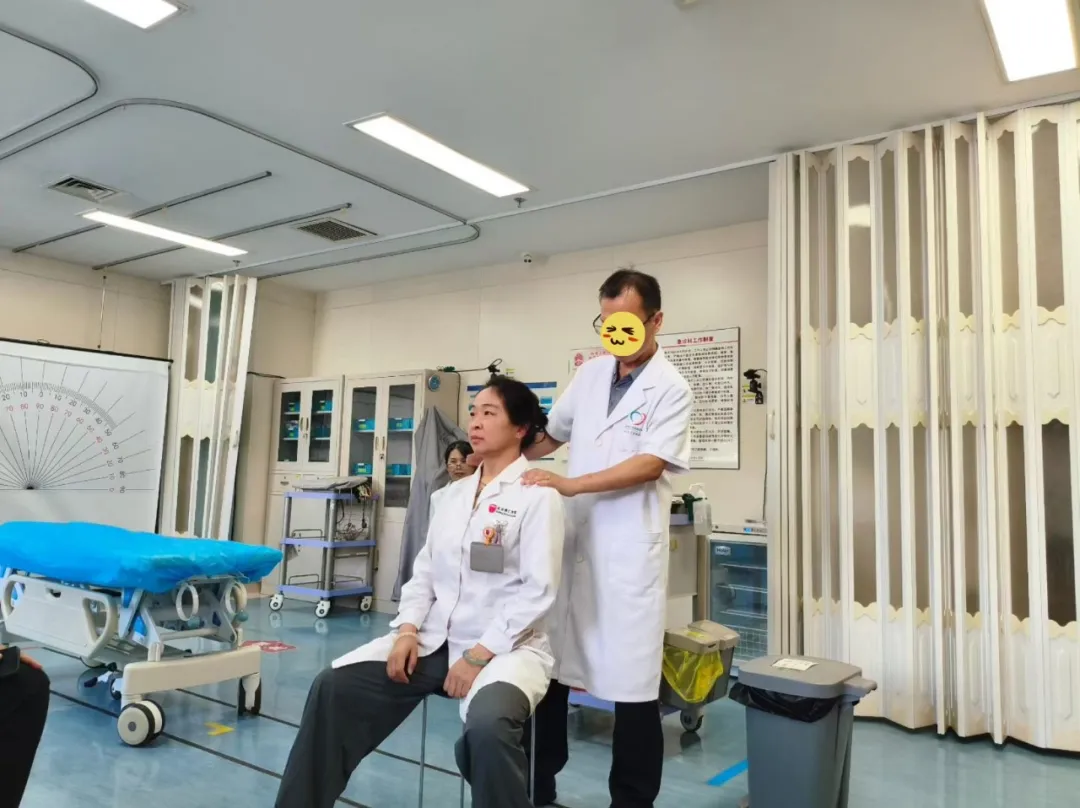
Khi ốm đau, A Feng nhận được sự giúp đỡ chân thành từ nhiều người lạ tốt bụng. Những người anh ấy chưa từng gặp đã gửi giúp đỡ vào lúc anh ấy cần. Sự ấm áp đó ở lại với anh ấy, và anh ấy không dám quên. Vì vậy, ngay khi cơ thể hồi phục, anh ấy muốn làm gì đó để đáp lại.
Moreover, having recovered well, he wanted to show others a positive face. When he lay in his hospital bed, he had yearned to see someone who had been cured stand before him and say: “Look at me — I was sicker than you, and now I am fine.” Today, he is willing to become that person who lets more people see hope.
A Feng originally studied acupuncture and tuina massage. In early 2018, when he returned to Boren for a follow-up visit, he noticed that in the hospital lobby, corridors, and wards, many family caregivers were either dozing while leaning against walls or rubbing their own shoulders. He knew that state all too well — during his own hospitalization, his family had kept watch day and night, enduring back and shoulder pain yet unwilling to step away even for a moment. So he approached them and said, “Let me give you a massage.” After massaging one person, the next asked, “Can you massage me too?” He agreed. One after another, and the morning was gone.
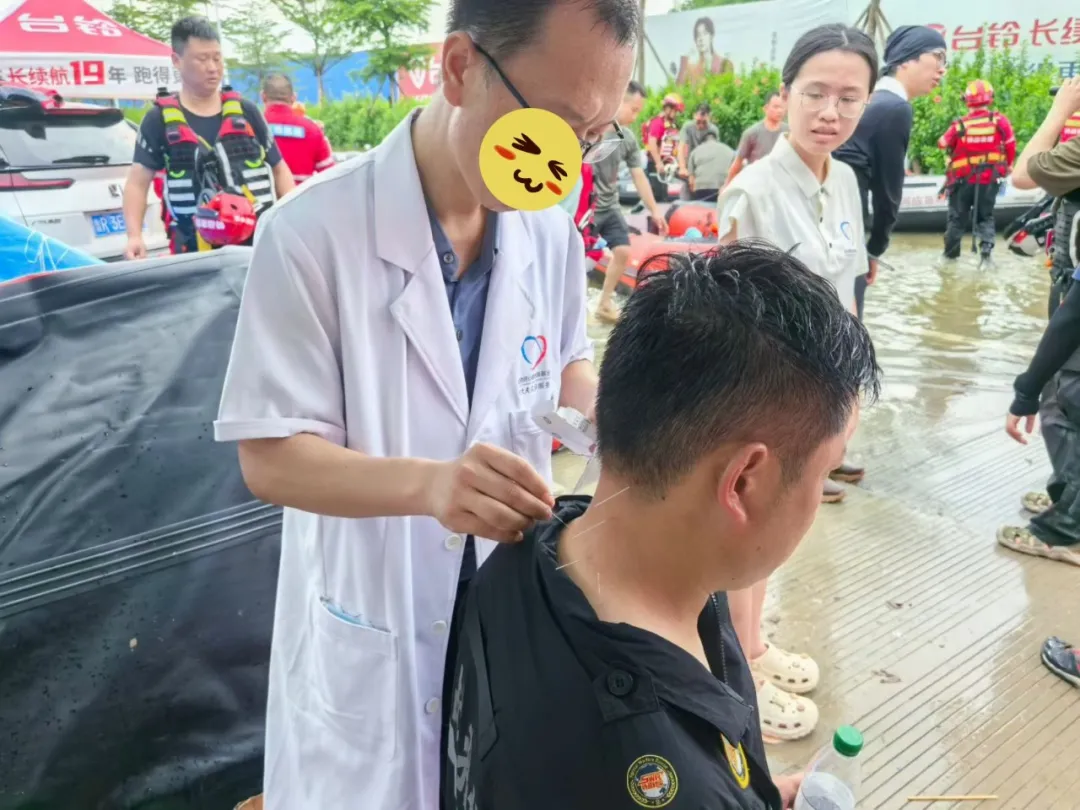
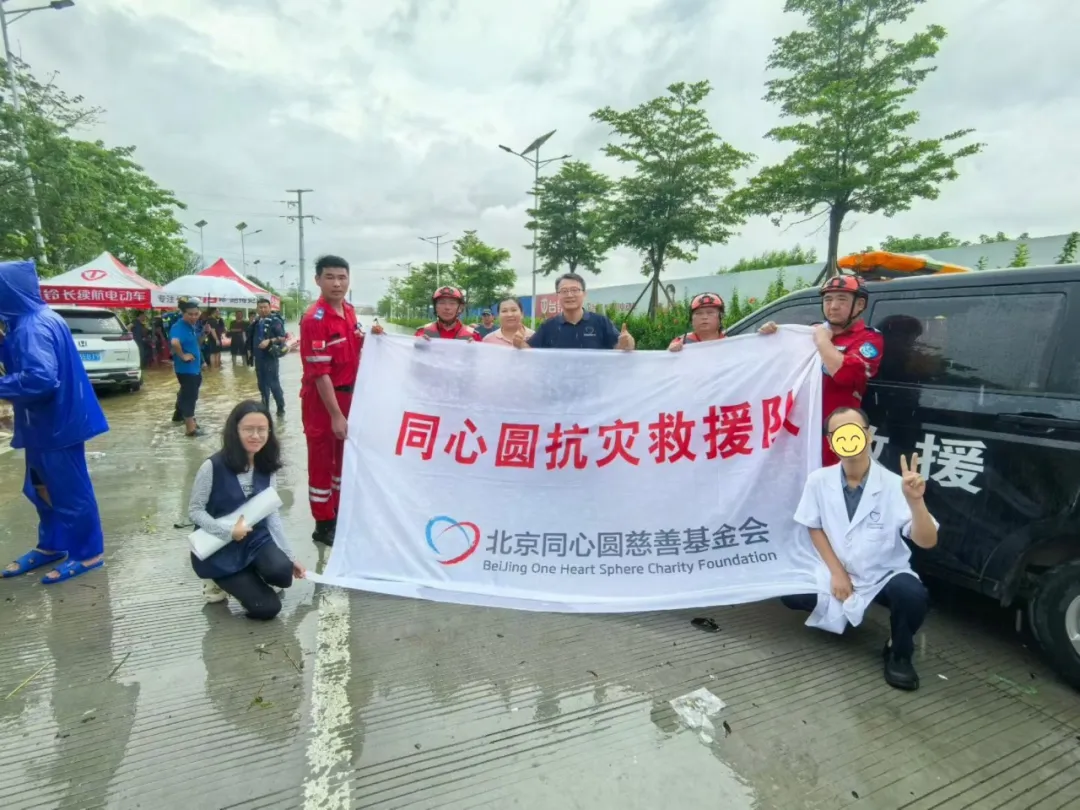
Lần massage đầu tiên đó khởi đầu một hành trình gần chín năm, ghé thăm gần như mỗi tháng. Khi đám đông tụ tập, tay anh ấy run lên vì kiệt sức, nhưng trái tim anh ấy cảm thấy thỏa mãn sâu sắc — một cảm giác không mua được bằng bất kỳ khoản tiền nào. Thường xuyên, trong khi massage, anh ấy trò chuyện với họ. Sau đó, cơ thể họ thư giãn, và những lời họ giữ trong lòng đổ ra. Họ sẵn sàng nói, và anh ấy sẵn sàng nghe.
Đến các bạn bệnh nhân: Mở rộng lạc quan, đặt tiêu cực về zero
Nearly nine years on, he is still doing this. The doctors at Boren pulled him back from the edge of the cliff and gave him a second life. What he can give back is to use that second life to warm more people who are walking their own “night road” of illness.
Nói về điều đó, anh ấy muốn chia sẻ thêm vài lời với các bạn bệnh nhân. Suốt những năm tháng ốm đau, quan điểm của anh ấy đã thay đổi sâu sắc. Trước đây anh ấy chỉ nghĩ đến xây dựng sự nghiệp và chạy theo các dấu hiệu thành công thông thường. Giờ anh ấy thực sự hiểu — sức khỏe quan trọng nhất, gia đình quan trọng nhất. Dù tiền nhiều hay ít, cuộc sống vẫn tiếp diễn. Một gia đình an toàn bên nhau quý giá hơn mọi thứ.
Fellow patients often ask how he maintains such a positive mindset. His approach: take in words that comfort and benefit you; let useless words slide past. We might borrow a bit of an “Ah Q spirit” — focus more on the light within ourselves. Amplify optimism, drive negativity down to its minimum. When a person is happy, qi and blood flow freely and the whole body feels at ease; when sad, everything feels uncomfortable. The power of optimism is far greater than you imagine.
He wants to leave every friend currently undergoing treatment with one sentence: “As long as you are alive, there is hope.” He believed those words back then, and now he hopes you will believe them too.
Today, his two children — one in middle school, the other about to enter fifth grade — are his greatest treasure. Every month, he still comes to Boren, where he massages the shoulders and loosens the lower backs of caregivers and medical staff alike. When the work is done and he sets off on the journey home, if the sunshine happens to be bright, he feels it from the bottom of his heart: “It is good to be alive. Being able to help others is even better.”
Bình luận y khoa: Tổng quan về B-ALL
Acute B-cell lymphoblastic leukemia (B-ALL) is a common subtype of acute leukemia, originating primarily from B-lineage lymphoid progenitor cells. It occurs most frequently in children (especially ages 2–5), accounting for 75%–80% of childhood acute leukemias. Adult B-ALL incidence follows a bimodal distribution, concentrated in elderly and young-adult age groups, representing 20%–30% of adult ALL cases.
Etiology: Not fully elucidated; generally considered the result of interactions among genetic, environmental, and viral factors.
Clinical manifestations: Primarily caused by leukemic suppression of normal hematopoiesis and organ infiltration, including anemia, bleeding, and infection symptoms; hepatosplenomegaly and painless lymphadenopathy; bone and joint pain; central nervous system infiltration (headache, vomiting, blurred vision, neck stiffness); and testicular infiltration in male patients (painless testicular swelling).
Diagnosis: Requires comprehensive clinical presentation combined with laboratory and imaging studies, centered on MICM integrated diagnosis (Morphology, Immunology, Cytogenetics, Molecular biology). Bone marrow biopsy is the gold standard, with diagnosis requiring ≥20% blasts plus immature lymphocytes. Immunophenotyping confirms B-cell lineage. Cytogenetic and molecular studies detect chromosomal karyotypes (e.g., hyperdiploidy, Philadelphia chromosome), fusion genes, and gene mutations for prognostic stratification and precision treatment guidance.
Treatment and prognosis: Children (especially aged 1–9 years with low initial white blood cell counts) are highly chemosensitive, with 5-year survival rates reaching 85%–90%. Adult chemotherapy cure rates are relatively poorer: low-to-intermediate risk groups generally 30%–50%; high-risk adults (especially those over 35, high initial WBC, high-risk gene mutations) typically 10%–20%, making cure by chemotherapy alone difficult — allogeneic HSCT improves outcomes. In recent years, immunotherapy and targeted therapy have represented the greatest breakthrough, including CAR-T, monoclonal antibodies, and targeted agents capable of precisely identifying and eliminating leukemic cells to achieve deep remission, advancing the timing of immunotherapy and extending patient survival — even achieving cures.
A Feng’s case of B-ALL, marked by repeated relapses after chemotherapy and relapse again after allogeneic HSCT, was undoubtedly unfortunate. Yet his courage to attempt CAR-T therapy after relapse — achieving a cure with CAR-T alone — was equally fortunate. The treatment journey was fraught with difficulty, yet he did not complain about fate or sink into despondency. Instead, once his body recovered, he threw himself into public welfare within his capacity, helping and influencing more people for nearly nine years. His deeds and optimistic spirit inspire those around him — heroes walk among us, and we hope more patients will recover as he did.
— BS. Lin Yuehui, Đội ngũ BS. Tong Chunrong
Về các chuyên gia
Dr. Tong Chunrong (竾春容)
Research Director, Beijing GOBROAD Boren Hospital
Director, Department of Hematology/Oncology I
GOBROAD Medicine (Hematology) Beijing Research Center
Master of Medicine, Tongji Medical University
Chuyên môn: With over 40 years of experience in clinical hematology and laboratory research, Dr. Tong specializes in malignant tumors — especially acute leukemia, lymphoma, and multiple myeloma — via immunotherapy. She is among China’s earliest pioneers in immunotherapy (CAR-T, CIK, NK, etc.). She practices integrated hematologic diagnosis spanning cytomorphology, cytochemistry, immunohistochemistry, flow cytometry, karyotyping and FISH, gene diagnostics, pathogen analysis, and pharmacogenomics to deliver personalized treatment.
Academic appointments: Standing Committee Member, Clinical Professional Committee, China Medicinal Biotechnology Association; Committee Member, Biotherapy Branch, China Anti-Cancer Association; Committee Member, Hematologic Tumor Branch, China Anti-Cancer Association; Vice-Chairman, Hematologic Tumor Professional Committee, Chinese Medical Association Laboratory Physician Branch; Vice-Chairman, Beijing Blood Cell Examination Expert Committee; Deputy Group Leader, Remote Diagnostic Training Group, Beijing Society of Laboratory Medicine; Editorial Board, Chinese Journal of Biotherapy.
Dr. Lin Yuehui (林路边)
Director, Ward 9, Department of Hematology/Oncology I
Associate Chief Physician
Bệnh viện Boren GOBROAD Bắc Kinh
Master of Medicine, Institute of Hematology, Chinese Academy of Medical Sciences
Chuyên môn:Với gần 20 năm kinh nghiệm huyết học lâm sàng, BS. Lin chuyên về hóa trị, liệu pháp nhắm mục tiêu, và các điều trị liên quan CAR-T cho bệnh hệ thống huyết học (bao gồm u bướu lymphoid và CAR-T cho bạch cầu tủy cấp). Ông cũng đã làm việc trong tế bào lưu động và chẩn đoán bệnh lý của u bướu huyết học trong khi nghiên cứu hình thái tế bào, mang lại nền tảng vững chắc trong chẩn đoán phòng lab của u bướu huyết học. Ông chuyên về chẩn đoán tích hợp và liệu pháp miễn dịch/nhắm mục tiêu của u bướu huyết học, với kinh nghiệm rộng rãi trong hóa trị và liệu pháp miễn dịch tế bào cho bệnh huyết học.
Academic appointments:Thành viên, Nhóm Hợp tác Liệu pháp Miễn dịch Tế bào Bạch cầu, Liên minh Chuyên gia Huyết học Trung Quốc; Phó Tổng biên tập, Chẩn đoán Tích hợp Lymphoma.