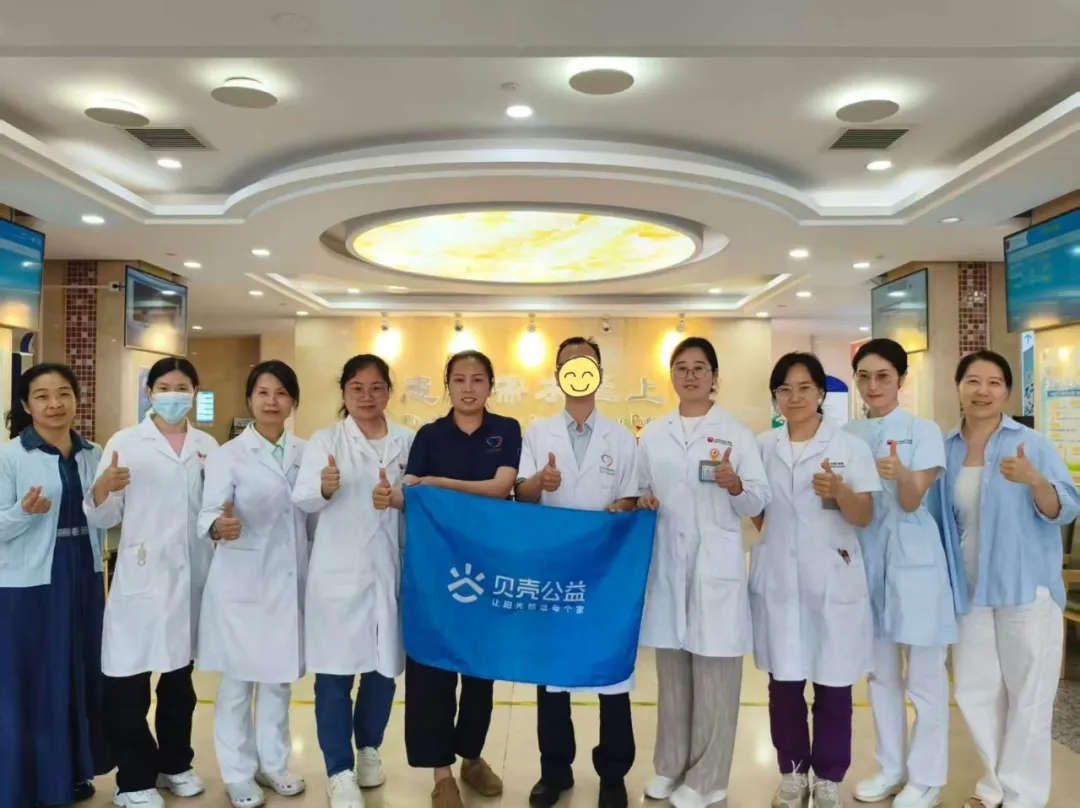
A Promise Kept for Nearly Nine Years
“What is the longest you have ever stuck with something?” Some say three years, some say five. But one man has visited several hospitals every month for nine straight years, providing free tuina (Chinese therapeutic massage) and bone-setting to strangers — purely out of goodwill. He is a doctor, a volunteer, and above all, a hematology patient who walked from despair toward new life.
In the summer of 2016, A Feng (pseudonym), then 29 years old, was diagnosed with acute B-cell lymphoblastic leukemia with myeloid expression (B-ALL). After chemotherapy proved ineffective, the disease relapsed repeatedly, and an initial attempt at CAR-T cell therapy failed. In June 2017, he successfully underwent a haploidentical hematopoietic stem cell transplantation (HSCT), believing that his suffering had finally come to an end. Yet only four and a half months later, the tumor recurred. After multiple referrals, in December 2017, A Feng arrived at Hospital Boren GOBROAD de Pekin, where he sought help from the immunotherapy team led by Dr. Tong Chunrong(factor de impacto 7,0). El estudio evaluó sistemáticamente cómo las mutaciones de los genes de predisposición germinal afectan el pronóstico de trasplante en pacientes con hemopatías malignas.Dr. Lin Yuehui. Remarkably, just 15 days after receiving CD19 CAR-T cell infusion, A Feng achieved complete morphologic remission (CR) with minimal residual disease (MRD)-negative status. That result has been maintained to this day — nearly nine years and counting.
Persistent Low-Grade Fever Leads to an Acute Leukemia Diagnosis
Al principio del verano de 2016, A Feng comenzó a experimentar fiebre de bajo grado inexplicada y fatiga. Durante ese período, regresó a su ciudad natal en Handan, provincia de Hebei, para ayudar a cosechar trigo. Con 90 kg, anteriormente podía levantar un saco de trigo sin esfuerzo; ese año, cargar un solo saco lo dejaba sin aliento. Los síntomas se aliviaban después de un breve descanso, así que no lo tomó en serio. Sin embargo, en agosto, su cuerpo ya no podía más, y fue a un hospital local para un examen.
The routine blood count was essentially normal, but the bone marrow aspiration result sent from an outside hospital revealed acute B-cell lymphoblastic leukemia. Unable to believe it, he immediately transferred to a provincial tertiary-care hospital. Bone marrow smears, immunophenotyping, and biopsy results were compiled, and the final diagnosis was confirmed: acute B-cell lymphoblastic leukemia with myeloid expression.
“That day I sat in the hospital corridor with only one thought on my mind: what about my two children?” A Feng recalls. “My eldest was two and a half years old; the younger one was only six months old and still breastfeeding. If I were to fall, what would become of them?”
Fracasos repetidos de quimioterapia; Recaida cuatro meses y medio después del trasplante
Tras el diagnóstico, A Feng comenzó quimioterapia en el hospital provincial. Su primer régimen, VCDLP, terminó sin remisión. Cambió a VCIDL para reinducción, y la médula ósea finalmente mostró remisión. Pero ese alivio no duró mucho. En noviembre de 2016, la citometría de flujo detectó 5,9% de células B inmaduras anormales. Otro cambio a VCLD redujo ligeramente la enfermedad residual; a fin de año, estaba en régimen Hyper-CVAD-B.
Régimen tras régimen, sin embargo la enfermedad residual persistía como un fantasma. Se sentía como un tirar de la cuerda sin árbitro — ninguno de los dos lados podía ganar.
En abril de 2017, un informe de seguimiento de médula ósea mostró blastos representando el 14.9% — la enfermedad había recaído. Su médico tratante le dijo que continuar la quimioterapia sería de beneficio limitado y recomendó explorar otras opciones de tratamiento. Por primera vez desde que enfermó, A Feng sintió verdadera desesperanza.
Viajó a Pekín, moviéndose entre hospitales en busca de inmunoterapia con células CAR-T. En ese momento, el CAR-T todavía era un tratamiento fronterizo; pocos hospitales podían realizarlo, y los costos eran altos. Después de gran esfuerzo, se conectó con un hospital — se extrajo sangre, se cultivaron células, se administró acondicionamiento — pero desafortunadamente, el cultivo celular falló.
Obligado a transferirse a otro hospital, su cuerpo desarrolló fiebre recurrente alta, infección perianal, úlceras orales, y los cultivos sanguíneos crecieron Escherichia coli… Después de meses de lucha, cuando su condición finalmente mejoró, un seguimiento de médula ósea mostró remisión completa — aunque la citometría de flujo todavía detectaba algo de enfermedad residual, el médico lo evaluó como elegible para trasplante.
Se transfirió a un tercer hospital, y el 2 de junio de 2017, ingresó a la unidad estéril de trasplante para acondicionamiento y completó exitosamente un trasplante de células madre hematopoyéticas haploidéntico. Después del trasplante, los glóbulos blancos y las plaquetas injertaron sin problemas, sin enfermedad de injerto contra huésped (EICH) significativa. El día del alta, el sol parecía brillante. Sentía como si le hubieran devuelto la vida.
Sin embargo, apenas cuatro meses y medio después, un seguimiento de médula ósea reveló blastos una vez más. Después de reducir los inmunosupresores, la citometría de flujo todavía mostraba enfermedad residual. Los médicos intentaron otras intervenciones, pero pronto siguió deterioro de la función hepática. A Feng no cargó a su familia con estos detalles; simplemente sentía que estaba corriendo contra la enfermedad — no podía detenerse, no podía perder.
La terapia con células CAR-T trae casi nueve años de remisión completa sostenida
En diciembre de 2017, A Feng llegó al Hospital Boren GOBROAD de Pekín. De hecho, cuando se preparó por primera vez para el trasplante, había querido elegir este hospital, pero Boren acababa de establecerse y aún no podía aceptar pacientes de trasplante haploidéntico. Esta vez, el equipo de inmunoterapia liderado por la Dra. Tong Chunrong y el Dr. Lin Yuehui realizó una evaluación integral y decidió proceder con la infusión de células CAR-T CD19.
El 14 de diciembre de 2017, A Feng comenzó el acondicionamiento con régimen FC; el 19 de diciembre recibió la infusión de células CAR-T CD19 autólogas cultivadas. Durante el acondicionamiento, su función hepática se deterioró bruscamente — las transaminasas y la bilirrubina se dispararon. Cuando se miró en el espejo, se alarmó: de la cabeza a los pies, todo su cuerpo se había puesto amarillo con ictericia severa. La Dra. Tong Chunrong, el Dr. Wu Tong y el Dr. Lin Yuehui convocaron consultas inmediatamente y ajustaron iterativamente su plan de tratamiento — necesitaban frenar la progresión del daño hepático sin comprometer la actividad antitumoral de las células CAR-T infundidas. El equilibrio era extremadamente delicado. Después de casi dos semanas de manejo meticuloso, sus indicadores finalmente comenzaron a descender.
During his time at Boren, A Feng experienced many things that felt “different”. Dr. Tong and Dr. Lin always patiently explained during ward rounds; whenever he did not understand something, they would elaborate tirelessly until he grasped it fully. Such patience was something he had never encountered at other hospitals. The staff were professional and warm; meeting in the corridors, they would call his name as if greeting family. There was also the family kitchen open to caregivers — more than a place to cook, it was a harbor where everyone huddled together for warmth.
A Feng still remembers the words hanging on the wall of the Boren outpatient hall: “Patients come first.” Those words remain engraved in his heart.
De beneficiario a dador: Casi nueve años de servicio voluntario tocando a miles
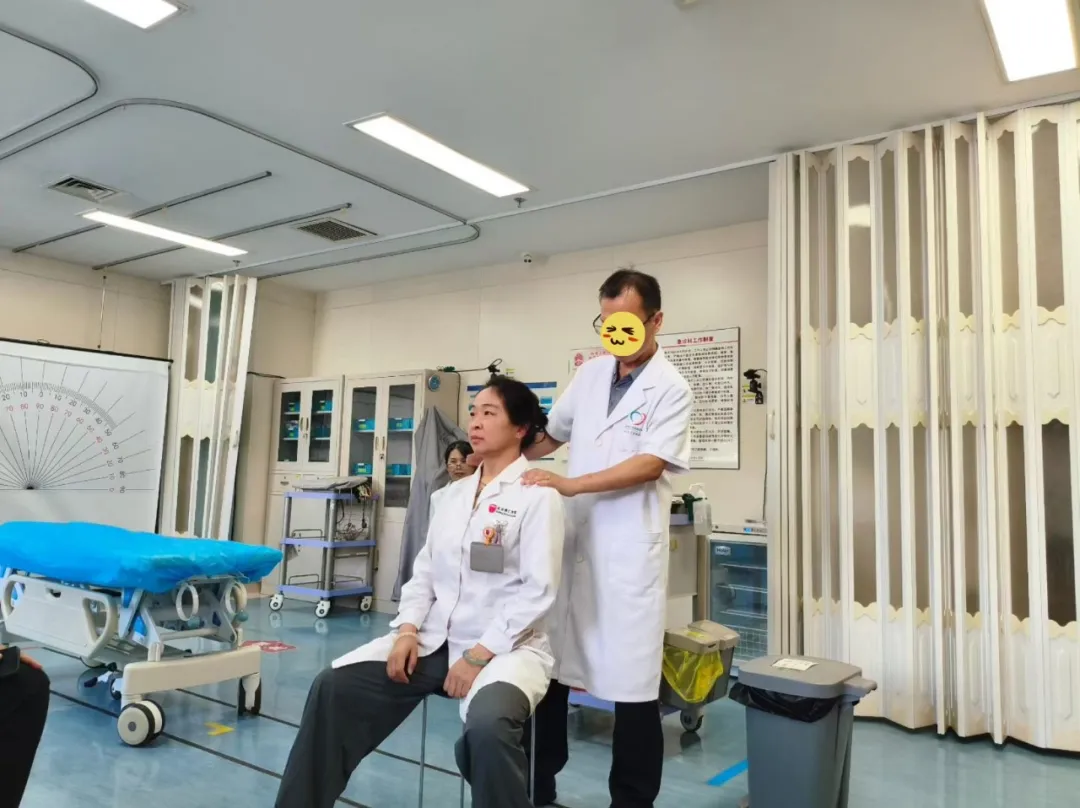
Durante su enfermedad, A Feng recibió asistencia sincera de muchos extraños bondadosos. Personas que nunca había conocido enviaron ayuda en su momento de necesidad. Esa calidez se quedó con él, y no se atrevió a olvidarla. Así que tan pronto como su cuerpo se recuperó, quiso hacer algo a cambio.
Moreover, having recovered well, he wanted to show others a positive face. When he lay in his hospital bed, he had yearned to see someone who had been cured stand before him and say: “Look at me — I was sicker than you, and now I am fine.” Today, he is willing to become that person who lets more people see hope.
A Feng originally studied acupuncture and tuina massage. In early 2018, when he returned to Boren for a follow-up visit, he noticed that in the hospital lobby, corridors, and wards, many family caregivers were either dozing while leaning against walls or rubbing their own shoulders. He knew that state all too well — during his own hospitalization, his family had kept watch day and night, enduring back and shoulder pain yet unwilling to step away even for a moment. So he approached them and said, “Let me give you a massage.” After massaging one person, the next asked, “Can you massage me too?” He agreed. One after another, and the morning was gone.
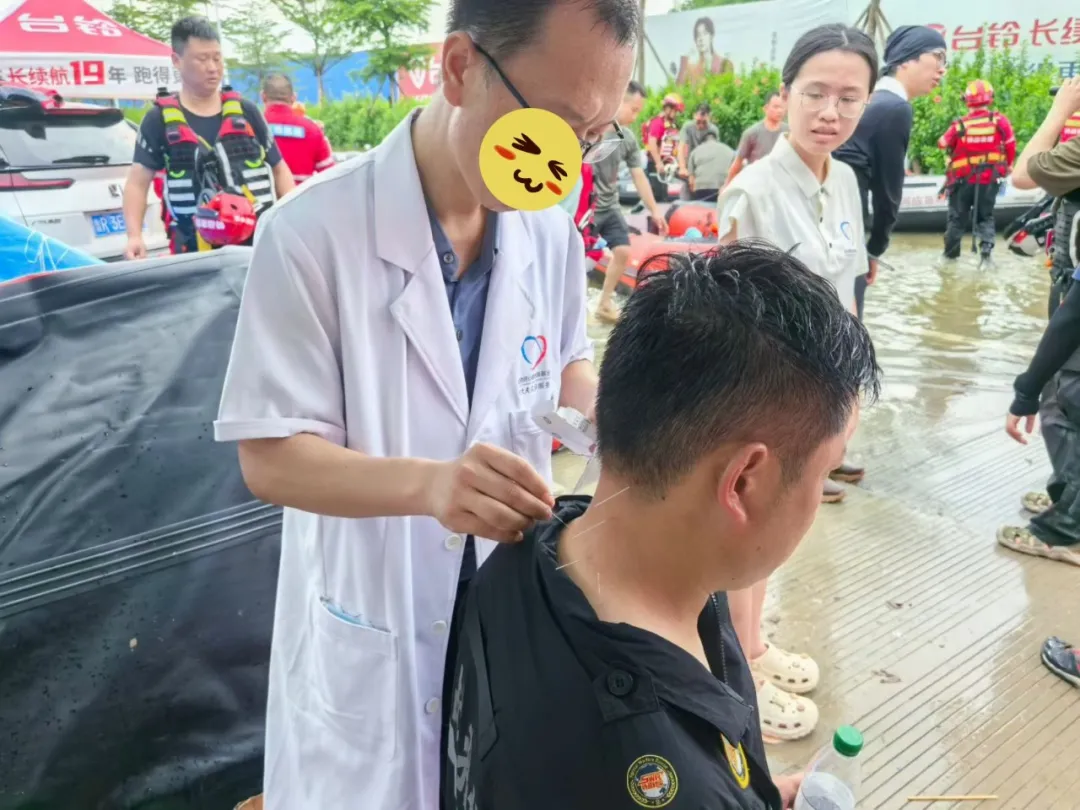
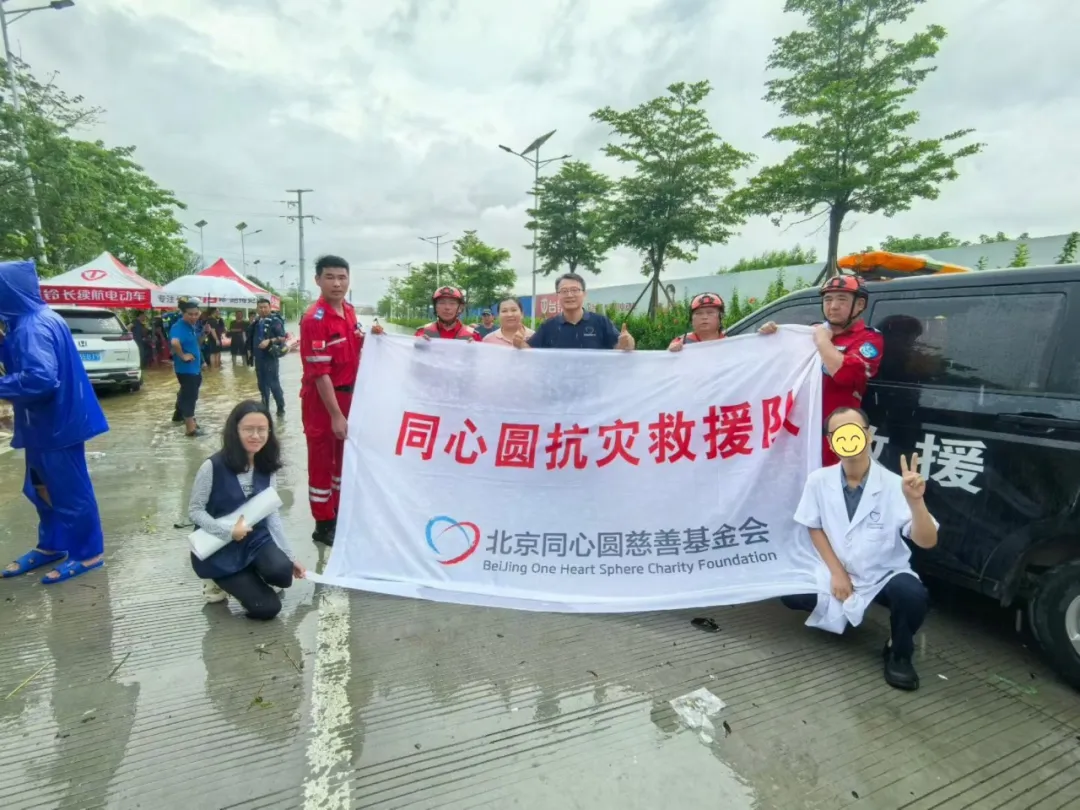
Ese primer masaje lanzó un viaje de casi nueve años, visitando casi todos los meses. Cuando se reunían multitudes, sus manos temblaban de agotamiento, pero su corazón se sentía profundamente cumplido — un sentimiento que ninguna cantidad de dinero puede comprar. A menudo, mientras masajeaba, charlaba con ellos. Después, sus cuerpos se relajaban, y las palabras que habían guardado salían a borbotones. Estaban dispuestos a hablar, y él estaba dispuesto a escuchar.
A los compañeros pacientes: Amplificar el optimismo, poner la negatividad en cero
Nearly nine years on, he is still doing this. The doctors at Boren pulled him back from the edge of the cliff and gave him a second life. What he can give back is to use that second life to warm more people who are walking their own “night road” of illness.
A propósito de eso, quiere compartir algunas palabras más con sus compañeros pacientes. A lo largo de estos años de enfermedad, su perspectiva ha cambiado profundamente. Solía pensar solo en construir una carrera y perseguir marcadores convencionales de éxito. Ahora entiende verdaderamente — la salud es lo más importante, la familia es lo más importante. Ya sea que el dinero sea abundante o escaso, la vida continúa. Una familia segura juntos vale más que cualquier cosa.
Fellow patients often ask how he maintains such a positive mindset. His approach: take in words that comfort and benefit you; let useless words slide past. We might borrow a bit of an “Ah Q spirit” — focus more on the light within ourselves. Amplify optimism, drive negativity down to its minimum. When a person is happy, qi and blood flow freely and the whole body feels at ease; when sad, everything feels uncomfortable. The power of optimism is far greater than you imagine.
He wants to leave every friend currently undergoing treatment with one sentence: “As long as you are alive, there is hope.” He believed those words back then, and now he hopes you will believe them too.
Today, his two children — one in middle school, the other about to enter fifth grade — are his greatest treasure. Every month, he still comes to Boren, where he massages the shoulders and loosens the lower backs of caregivers and medical staff alike. When the work is done and he sets off on the journey home, if the sunshine happens to be bright, he feels it from the bottom of his heart: “It is good to be alive. Being able to help others is even better.”
Comentario médico: Resumen del LAL-B
Acute B-cell lymphoblastic leukemia (B-ALL) is a common subtype of acute leukemia, originating primarily from B-lineage lymphoid progenitor cells. It occurs most frequently in children (especially ages 2–5), accounting for 75%–80% of childhood acute leukemias. Adult B-ALL incidence follows a bimodal distribution, concentrated in elderly and young-adult age groups, representing 20%–30% of adult ALL cases.
Etiology: Not fully elucidated; generally considered the result of interactions among genetic, environmental, and viral factors.
Clinical manifestations: Primarily caused by leukemic suppression of normal hematopoiesis and organ infiltration, including anemia, bleeding, and infection symptoms; hepatosplenomegaly and painless lymphadenopathy; bone and joint pain; central nervous system infiltration (headache, vomiting, blurred vision, neck stiffness); and testicular infiltration in male patients (painless testicular swelling).
Diagnosis: Requires comprehensive clinical presentation combined with laboratory and imaging studies, centered on MICM integrated diagnosis (Morphology, Immunology, Cytogenetics, Molecular biology). Bone marrow biopsy is the gold standard, with diagnosis requiring ≥20% blasts plus immature lymphocytes. Immunophenotyping confirms B-cell lineage. Cytogenetic and molecular studies detect chromosomal karyotypes (e.g., hyperdiploidy, Philadelphia chromosome), fusion genes, and gene mutations for prognostic stratification and precision treatment guidance.
Treatment and prognosis: Children (especially aged 1–9 years with low initial white blood cell counts) are highly chemosensitive, with 5-year survival rates reaching 85%–90%. Adult chemotherapy cure rates are relatively poorer: low-to-intermediate risk groups generally 30%–50%; high-risk adults (especially those over 35, high initial WBC, high-risk gene mutations) typically 10%–20%, making cure by chemotherapy alone difficult — allogeneic HSCT improves outcomes. In recent years, immunotherapy and targeted therapy have represented the greatest breakthrough, including CAR-T, monoclonal antibodies, and targeted agents capable of precisely identifying and eliminating leukemic cells to achieve deep remission, advancing the timing of immunotherapy and extending patient survival — even achieving cures.
A Feng’s case of B-ALL, marked by repeated relapses after chemotherapy and relapse again after allogeneic HSCT, was undoubtedly unfortunate. Yet his courage to attempt CAR-T therapy after relapse — achieving a cure with CAR-T alone — was equally fortunate. The treatment journey was fraught with difficulty, yet he did not complain about fate or sink into despondency. Instead, once his body recovered, he threw himself into public welfare within his capacity, helping and influencing more people for nearly nine years. His deeds and optimistic spirit inspire those around him — heroes walk among us, and we hope more patients will recover as he did.
— Dr. Lin Yuehui, Equipo de la Dra. Tong Chunrong
Sobre los expertos
Dr. Tong Chunrong (竾春容)
Research Director, Beijing GOBROAD Boren Hospital
Director, Department of Hematology/Oncology I
GOBROAD Medicine (Hematology) Beijing Research Center
Master of Medicine, Tongji Medical University
Especialización : With over 40 years of experience in clinical hematology and laboratory research, Dr. Tong specializes in malignant tumors — especially acute leukemia, lymphoma, and multiple myeloma — via immunotherapy. She is among China’s earliest pioneers in immunotherapy (CAR-T, CIK, NK, etc.). She practices integrated hematologic diagnosis spanning cytomorphology, cytochemistry, immunohistochemistry, flow cytometry, karyotyping and FISH, gene diagnostics, pathogen analysis, and pharmacogenomics to deliver personalized treatment.
Academic appointments: Standing Committee Member, Clinical Professional Committee, China Medicinal Biotechnology Association; Committee Member, Biotherapy Branch, China Anti-Cancer Association; Committee Member, Hematologic Tumor Branch, China Anti-Cancer Association; Vice-Chairman, Hematologic Tumor Professional Committee, Chinese Medical Association Laboratory Physician Branch; Vice-Chairman, Beijing Blood Cell Examination Expert Committee; Deputy Group Leader, Remote Diagnostic Training Group, Beijing Society of Laboratory Medicine; Editorial Board, Chinese Journal of Biotherapy.
Dr. Lin Yuehui (林路边)
Director, Ward 9, Department of Hematology/Oncology I
Associate Chief Physician
Hospital Boren GOBROAD de Pekin
Master of Medicine, Institute of Hematology, Chinese Academy of Medical Sciences
Especialización :Con casi 20 años de experiencia en hematología clínica, el Dr. Lin se centra en quimioterapia, terapia dirigida y tratamientos relacionados con CAR-T para enfermedades del sistema hematológico (incluyendo malignidades linfoides y CAR-T para leucemia mieloide aguda). También ha trabajado en citometría de flujo y diagnóstico patológico de tumores hematológicos mientras estudia morfología celular, dándole una sólida base en diagnóstico de laboratorio de malignidades hematológicas. Se especializa en diagnóstico integrado e inmunoterapia/terapia dirigida de tumores hematológicos, con amplia experiencia en quimioterapia e inmunoterapia celular para enfermedades hematológicas.
Academic appointments:Miembro, Grupo de Colaboración de Terapia Inmunicelular de Leucemias, Alianza de Especialistas en Hematología de China; Editora Jefe Adjunta, Diagnóstico Integrado de Linfomas.