Why Primary Refractory Disease Is a Different Problem
Roughly 60% to 70% of patients with diffuse large B-cell lymphoma (DLBCL) treated with R-CHOP-based immunochemotherapy achieve long-term survival. Those who present with high-risk features and progress early after first-line treatment do not. For relapsed or refractory disease, salvage platinum-based chemotherapy followed by high-dose chemotherapy and autologous stem cell transplantation (auto-SCT) has been the established curative pathway since the PARMA trial, but in primary refractory patients the three-year progression-free survival after that pathway is only about 30% to 40%.
Primary gastrointestinal DLBCL adds a further layer of difficulty. Because of its anatomical location, treatment carries a substantial risk of bleeding and perforation, and if first-line therapy fails, every subsequent decision — which salvage regimen, when to transplant, how to manage a surgical emergency during cytopenia — becomes considerably harder.
01 · Diagnostic Fog: Can Chemotherapy Start Before the Diagnosis Is Settled?
The patient was 28 years old at diagnosis, with no comorbidities and no family history of cancer. From early 2020 he had unexplained periumbilical pain and increasing stool frequency that did not respond to symptomatic treatment. By June he was passing seven to eight watery stools a day with progressive abdominal distension, and an outside hospital treated him for incomplete intestinal obstruction. Early in July a colonoscopy showed a mass at the ileocaecal valve, but the biopsy contained only necrotic and granulation tissue with a few atypical epithelioid cells — insufficient for a diagnosis. Small-bowel CT and PET-CT showed an ascending colon mass with intussusception and multiple enlarged lymph node groups, highly suggestive of lymphoma.
On 24 July an outside consultation raised the possibility of intestinal NK/T-cell lymphoma on the earlier ileocaecal specimen. With obstruction worsening and the patient's general condition deteriorating — lactate dehydrogenase (LDH) 679 U/L, B symptoms, typical imaging — he was started on P-GemOX (pegaspargase, gemcitabine and oxaliplatin) on 25 July. Abdominal distension and bowel function improved.
On 26 July the hepatic flexure mass pathology came back: atypical lymphocytes scattered through extensive necrosis, with diffuse strong positivity for CD20, CD79a, PAX-5, Bcl-6 and MUM-1, partial CD10 positivity and Ki-67 of 100%, plus a clonal IgH rearrangement. This established DLBCL, classified as non-GCB by the Hans algorithm. Because of specimen limitations and the diagnostic pathway in use at the time, MYC/BCL2/BCL6 FISH and EBER in situ hybridisation were not performed.
With an ileocaecal biopsy that had suggested NK/T-cell lymphoma and a hepatic flexure specimen that established DLBCL, a composite lymphoma could not be formally excluded at that stage. Bone marrow showed 3% abnormal lymphocytes, peripheral blood 7%, and flow cytometry demonstrated a clonal B-cell population. With markedly raised LDH, night sweats and weight loss, the final diagnosis was DLBCL (non-GCB), stage IV, B symptoms, IPI 4. First-line treatment was switched to an R-CHOP backbone: rituximab, cyclophosphamide, liposomal doxorubicin, vindesine and methylprednisolone.
02 · Progressing at Two Cycles: Escalate the Same Regimen or Switch Early?
About three months into first-line therapy, contrast-enhanced CT showed clear progression of the ascending colon mass and of abdominal, pelvic and retroperitoneal nodes, with new serosal effusions. Rapid progression shortly after two cycles of first-line treatment indicated highly primary refractory disease.
The patient transferred to our hospital. Our assessment was that with Ki-67 of 100%, an IPI of 4 and bone marrow involvement, continuing the same first-line regimen offered little probability of benefit, and in late October 2020 he began the RZL-ESHAP salvage regimen.
Unlike classical R-ESHAP, this regimen adds two agents aimed at the biology of non-GCB disease to the standard backbone: the BTK inhibitor zanubrutinib 160 mg twice daily given continuously, and the immunomodulatory agent lenalidomide 10 to 20 mg daily for 10 to 14 days, layered on top of rituximab, cisplatin, etoposide, methylprednisolone and cytarabine — in effect zanubrutinib plus lenalidomide plus rituximab plus chemotherapy.
The salvage course was not straightforward. The white cell count fell to a nadir of 0.77×10⁹/L and platelets to 2×10⁹/L; fever from the end of October raised the possibility of bloodstream infection and antibacterial therapy was escalated to meropenem and vancomycin. Parvovirus B19 was also detected, and haemoglobin fell to 64 g/L, recovering with intravenous immunoglobulin, blood component support and haematopoietic support. By mid-November bone marrow examination showed measurable residual disease (MRD) negativity, and the first peripheral blood stem cell harvest yielded CD34+ 1.90×10⁶/kg.
03 · The Tightest Corner: Perforation With Platelets at Nadir
Shortly after stem cell collection the patient developed sudden right upper quadrant pain. CT in early December showed free intraperitoneal gas consistent with colonic perforation.
This was the most difficult decision in the whole course. At the moment of detection his platelet count was still very low, there was no diffuse peritonitis and his vital signs were stable. Immediate emergency surgery carried a very high risk of bleeding and infection in a patient who had just recovered from severe marrow suppression; conservative management carried the risk of diffuse peritonitis and sepsis if the perforation did not seal.
The team chose to stabilise first and operate electively: nil by mouth, total parenteral nutrition, close serial abdominal examination and repeat CT to track resorption of free gas while waiting for the blood counts to recover. Once the white cell count had risen to 7.73×10⁹/L and platelets to 155×10⁹/L, a right hemicolectomy was performed in mid-December. Intraoperative frozen section again raised diagnostic uncertainty — “raised lesion of the right colon: adenocarcinoma? NK/T-cell lymphoma?” — the third such detour after the ileocaecal biopsy, the outside NK/T-cell consultation and the hepatic flexure diagnosis. Final pathology and the clinical picture were again consistent with DLBCL.
The limits of that experience need to be stated plainly. Conservative management was possible here because haemodynamics were stable, the perforation was contained, there was no peritonitis and the blood count recovery was predictable. Perforation with diffuse peritonitis, peritoneal signs, haemodynamic instability or sepsis — or any deterioration during conservative management — is an indication for emergency surgery. Not every radiological perforation can be treated conservatively.
04 · A New Lesion Days Before Transplant: Proceed or Stop?
After surgery, one further cycle of RZL-ESHAP was given in January 2021 and a second stem cell harvest at the end of that month yielded CD34+ 4.68×10⁶/kg; a consolidation cycle followed in early February.
Then, in early March, PET-CT identified a new problem: abnormally increased FDG uptake in the longus capitis and in the bilateral temporalis and masseter muscles, highly suggestive of extranodal lymphoma infiltration of the masticator and neck muscles.
With a new lesion appearing immediately before transplant, should the transplant still go ahead? The team did not abandon the pathway. One further cycle of RZL-ESHAP was given to reduce tumour burden further; reassessment confirmed complete response; BEAM conditioning (carmustine, etoposide, cytarabine, melphalan) started in late March and autologous peripheral blood stem cells were reinfused in early April. The two harvests together provided 25.2×10⁸/kg nucleated cells and 6.58×10⁶/kg CD34+ cells, with neutrophil engraftment on day +11. Peri-transplant care included anti-infective prophylaxis, mucositis management, ursodeoxycholic acid for veno-occlusive disease, micafungin, isoniazid for tuberculosis prophylaxis and entecavir to prevent hepatitis B reactivation. He was discharged after an uncomplicated recovery.
05 · Deauville 3 After Transplant: Treat or Observe?
The first post-transplant PET-CT, about three months after reinfusion, showed increased metabolism in multiple small retroperitoneal and mesenteric nodes, reported as Deauville score 3. Under the Lugano classification, Deauville 1 to 3 constitutes complete metabolic response.
So should a patient in complete response be treated further? The mesenteric nodes lay adjacent to bowel wall, limiting radiotherapy, and rituximab had already been given across first-line, salvage and pre-transplant therapy. Rather than treating the findings as residual disease, the team started risk-driven intensified maintenance in the setting of complete response: pegylated interferon alfa-2b 180 µg subcutaneously from July 2021, initially weekly and progressively extended to every three months.
It should be said clearly that interferon maintenance after autologous transplant for DLBCL is not a standard pathway. This was an individualised exploration in a patient with exceptionally high-risk features, radiotherapy constraints and multi-line rituximab exposure, not a guideline recommendation.
06 · Outcome: More Than Five Years, Still in Remission Off Treatment
At the last follow-up in August 2026, the patient had been disease-free for more than five years and four months since transplant in April 2021. Serial PET-CT assessments read: Deauville 3 (complete metabolic response) in July 2021; complete response in January 2022, July 2022, January 2023, September 2023, May 2024, August 2025 and August 2026.
The August 2026 scan showed a residual band-like area of increased metabolism in the colon, interpreted as physiological uptake, and multiple small nodes interpreted as reactive hyperplasia.
Interferon was given from July 2021 and stopped in August 2025, a maintenance course of about four years; more than a year after stopping, PET-CT continues to show complete metabolic response with no recurrence. His weight has recovered from about 66.6 kg at transplant to 86 kg, and appetite, sleep and bowel and bladder function are normal. He continues entecavir to prevent hepatitis B reactivation and remains under long-term follow-up, with no recurrence, no second malignancy and no late cardiac or endocrine toxicity.
Discussion: Four Decisions Worth Examining
1. In primary refractory disease, autologous transplant was still the reasonable curative option at the time. This patient progressed after two cycles of first-line therapy with Ki-67 of 100%, non-GCB biology, an IPI of 4 and marrow involvement — primary refractory, high-risk DLBCL. High-dose chemotherapy with auto-SCT after platinum-sensitive salvage was established as the standard pathway by the PARMA trial, even though long-term outcomes in primary refractory patients remain poor, with three-year progression-free survival of only about 30% to 40%. A sustained remission beyond five years in that context represents a good outcome.
The era matters. Diagnosis and treatment took place in 2020 and 2021, before second-line CAR-T therapy was established as standard and when commercial CAR-T products were expensive and poorly accepted by patients. Phase III trials such as ZUMA-7 and TRANSFORM have since shown that second-line CD19 CAR-T (axicabtagene ciloleucel, lisocabtagene maraleucel) significantly improves event-free survival over salvage chemotherapy followed by auto-SCT in early relapsed or refractory large B-cell lymphoma, and the second-line landscape is being rewritten accordingly. A patient like this today might go straight to second-line CAR-T. Under the conditions and access constraints of the time, molecularly stratified salvage to reduce tumour burden followed by auto-SCT was a reasonable and feasible curative pathway, and its long-term success shows that in well-selected patients who reach MRD negativity before transplant, that pathway can still deliver durable disease control.
2. RZL-ESHAP: a salvage regimen designed around non-GCB biology. DLBCL is divided by cell of origin into GCB and non-GCB (ABC-like) subtypes; the latter has a worse prognosis and depends heavily on sustained B-cell receptor signalling and NF-κB pathway activation. Zanubrutinib blocks BTK downstream of the B-cell receptor, providing a mechanistic rationale in ABC/non-GCB, BCR-driven disease. Lenalidomide acts through cereblon to inhibit NF-κB and degrade Ikaros and Aiolos, enhancing NK and T cell activity and remodelling the tumour immune microenvironment. Combined with the classical R-ESHAP backbone, the regimen layers BTK targeting, immunomodulation, CD20 targeting and cytotoxic chemotherapy.
Supporting evidence for lenalidomide in non-GCB/ABC disease comes from the R2-CHOP experience reported by Nowakowski and colleagues, in which adding lenalidomide to R-CHOP overcame the adverse prognostic impact of the non-GCB phenotype. Selecting zanubrutinib plus lenalidomide plus R-ESHAP at salvage, and reaching MRD negativity that allowed bridging to transplant, was an application of molecular stratification to salvage therapy. Its cost was severe myelosuppression and infection, requiring strong supportive care.
3. Surgical emergencies during neutropenia require individualised judgement, not a fixed rule. An acute abdomen during chemotherapy-induced agranulocytosis is one of the harder problems in haematology practice. Here the perforation was detected with very low platelets but no diffuse peritonitis and stable haemodynamics. After repeated assessment of abdominal signs, imaging, blood counts and infection risk, the team chose fasting, parenteral nutrition and close monitoring, with elective surgery once counts recovered.
That strategy was specific to this case: its preconditions were relative clinical stability and the ability to reassess continuously under close monitoring. Whether and when to operate in a patient who perforates during chemotherapy must be judged on peritoneal signs, vital signs, infection and sepsis risk, blood counts and imaging, and any deterioration requires prompt multidisciplinary reassessment. Free gas on imaging is an important warning sign, but the response still depends on the whole clinical picture. This case also shaped our institutional routine for intestinal lymphoma: full liquid diet during early treatment to reduce the risk of perforation, and a defined surgical emergency pathway if perforation occurs regardless.
4. Reading Deauville 3, and where interferon maintenance fits. Under the Lugano classification, Deauville 1 to 3 on post-treatment PET-CT all represent metabolic complete response and should not be equated with residual active disease mandating further chemotherapy. This patient was Deauville 3 after transplant, and the team did not add chemotherapy on that basis, but instead individualised the subsequent strategy around clinical risk and available options.
It must be acknowledged that maintenance after autologous transplant for DLBCL is not a general standard. Systematic reviews suggest that some post-transplant immune-targeted maintenance strategies may improve progression-free survival without a demonstrated overall survival benefit. Pegylated interferon alfa-2b was chosen here for three individualised reasons: exceptionally high baseline risk of recurrence (Ki-67 100%, non-GCB, early first-line progression, multiple extranodal sites); lesions adjacent to bowel wall that precluded local radiotherapy; and multi-line prior rituximab exposure, which limited the marginal value of further anti-CD20 therapy. Interferon alfa-2b exerts immunomodulatory effects by enhancing NK cell activity, promoting antigen presentation and direct antiproliferative action, and in this setting can be understood as immune consolidation in the state of complete response — conceptually adjacent to the post-transplant checkpoint maintenance strategies explored in recent years. A maintenance course of about four years followed by sustained complete metabolic response off treatment provides real-world evidence for this non-standard approach, but the level of evidence is limited and it cannot be extrapolated into a routine recommendation.
Expert Commentary
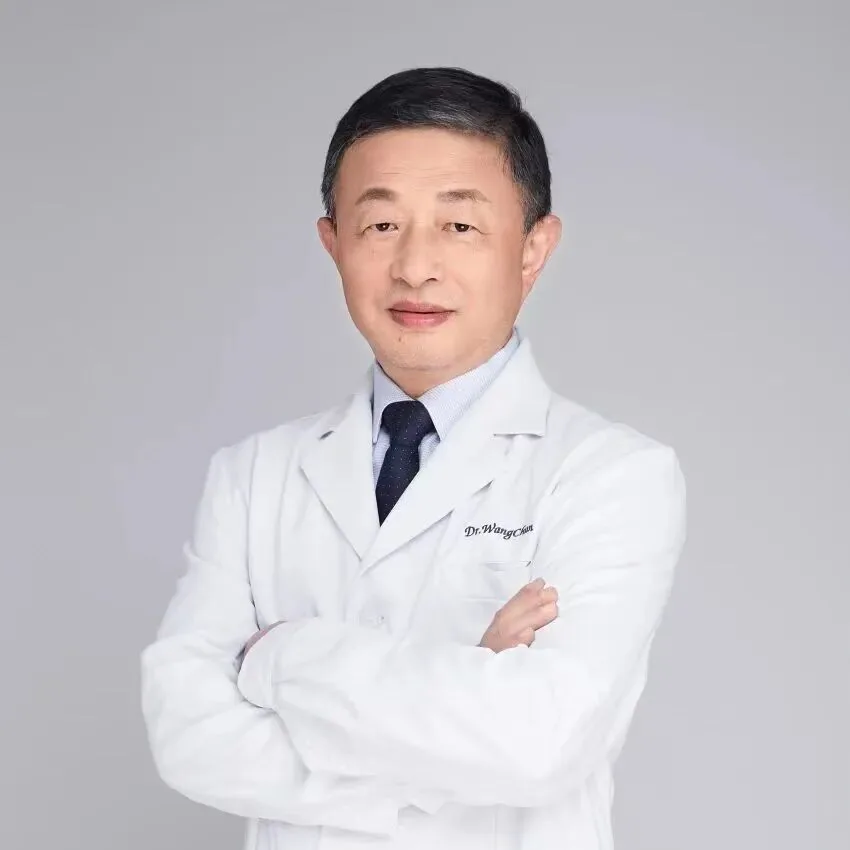
Prof. Wang Chun: “This is a refractory DLBCL with a difficult diagnostic path and high-risk biology. Treatment repeatedly forced difficult decisions: molecularly guided salvage selection, the timing of high-dose chemotherapy with autologous stem cell rescue, and an individualised exploration of interferon immune maintenance after transplant. Several key decision points ultimately worked out for this patient.
“For lymphomas involving the bowel, the risk of gastrointestinal perforation during treatment is high and needs to be anticipated, with full-liquid diet counselling built into the plan. The management of the acute abdomen and the judgement about surgical timing in this case reflect considerable clinical experience.
“CD19 CAR-T therapy and CD3/CD20 bispecific antibodies have entered the relapsed or refractory DLBCL treatment algorithm, and CD19-targeted antibody-drug conjugates are advancing in clinical research, further raising cure rates. Yet long-term disease-free survival in primary refractory and early relapsing patients is still under 30%, and these patients remain the group that current treatment models have yet to solve. This case illustrates the importance of biological stratification, rigorous dynamic clinical assessment, close multidisciplinary collaboration and individualised therapeutic exploration.”
Dr. Shao Shan: “This was a high-risk stage IV DLBCL refractory to first-line chemotherapy. At a time when CAR-T therapy was of limited accessibility, we designed an RZL-ESHAP second-line regimen for him and pre-emptively placed him on a full liquid diet, so that when he did perforate he came through the neutropenic period safely. He then completed autologous transplant. Given his very high risk of recurrence and the mildly increased activity in small retroperitoneal nodes after transplant, he received long-acting interferon maintenance and ultimately achieved durable complete response and disease-free survival.
“The arrival and widening use of CAR-T therapy has changed the treatment landscape for refractory B-cell lymphoma. But where CAR-T is unavailable or of limited access, RZL-ESHAP salvage followed by auto-SCT still offers many patients a chance of cure. Prompt and correct management of complications during treatment, and maintenance strategies after transplant in high-risk patients, remain issues clinicians need to watch closely.
“Medicine offers the possibility of cure. Having recovered, this patient went on to complete a doctoral degree and will in turn help others in his own field. Illness is only an episode in a life; once you step across it, life can still be bright.”
References
- Philip T, Guglielmi C, Hagenbeek A, et al. Autologous bone marrow transplantation as compared with salvage chemotherapy in relapses of chemotherapy-sensitive non-Hodgkin's lymphoma. N Engl J Med. 1995;333(23):1540-1545.
- Hans CP, Weisenburger DD, Greiner TC, et al. Confirmation of the molecular classification of diffuse large B-cell lymphoma by immunohistochemistry using a tissue microarray. Blood. 2004;103(1):275-282.
- Choi WWL, Weisenburger DD, Greiner TC, et al. A new immunostain algorithm classifies diffuse large B-cell lymphoma into molecular subtypes with high accuracy. Clin Cancer Res. 2009;15(17):5494-5502.
- Molina TJ, Canioni D, Copie-Bergman C, et al. Young patients with non-germinal center B-cell-like DLBCL benefit from intensified chemotherapy with ACVBP plus rituximab: GELA LNH 03-2B. J Clin Oncol. 2014;32(31).
- Song MK, Chung JS, Shin HJ, et al. Prognostic value of metabolic tumor volume on PET/CT in primary gastrointestinal diffuse large B-cell lymphoma. Cancer Sci. 2012;103(1):147-156.
- Cheson BD, Fisher RI, Barrington SF, et al. Recommendations for initial evaluation, staging, and response assessment of Hodgkin and non-Hodgkin lymphoma: the Lugano classification. J Clin Oncol. 2014;32(27):3059-3068.
- Locke FL, Miklos DB, Jacobson CA, et al. Axicabtagene ciloleucel as second-line therapy for large B-cell lymphoma. N Engl J Med. 2022;386(7):619-628.
- Kamdar M, Solomon SR, Arnason J, et al. Lisocabtagene maraleucel versus standard of care with salvage chemotherapy followed by autologous stem cell transplantation as second-line treatment in relapsed or refractory large B-cell lymphoma (TRANSFORM): an open-label, randomised, phase 3 trial. Lancet. 2022;399(10322):2294-2308.
- Nowakowski GS, LaPlant B, Macon WR, et al. Lenalidomide combined with R-CHOP overcomes negative prognostic impact of non-germinal center B-cell phenotype in newly diagnosed diffuse large B-cell lymphoma: a phase II study. J Clin Oncol. 2015;33(3):251-257.
- Rozental A, Gafter-Gvili A, Vidal L, et al. Maintenance therapy in patients with diffuse large B-cell lymphoma: a systematic review and meta-analysis. Hematol Oncol. 2018;36(5):618-626.
About the Clinical Team
Prof. Wang Chun (王椿)
Academic Leader and Medical Director, Shanghai GOBROAD Zhaxin Hospital and Shanghai Liquan Hospital
Chief Physician / Doctoral Supervisor. Former Director of the Department of Haematology, Shanghai General Hospital, and former doctoral supervisor at Shanghai Jiao Tong University School of Medicine; Chair of the 9th Haematology Branch of the Shanghai Medical Association; Vice Chair of the Shanghai Medical Association's Infectious Diseases and Chemotherapy Committee; Vice President of the first Haematology Branch of the Shanghai Medical Doctor Association. He has published more than 100 papers, 25 of them in SCI-indexed journals, and was interviewed by The Lancet Oncology in 2001.
Research focus: Haematopoietic stem cell transplantation and the prevention and treatment of infection in haematological disease.
Clinical interests: Relapsed and refractory leukaemia, transplantation in adults and particularly in older patients, lymphoma, multiple myeloma and severe aplastic anaemia.
Dr. Zhao Chuxian (赵初娴)
Deputy Chief Physician / Director of the Transplant Centre, Shanghai GOBROAD Zhaxin Hospital
MD, PhD. Member of the Leukaemia Working Group of the Shanghai Medical Association's Haematology Branch. Nearly 20 years of experience in the diagnosis and treatment of haematological disease, formerly at the Department of Haematology, Shanghai General Hospital.
Clinical interests: Acute and chronic leukaemia, aplastic anaemia, and the management of patients after haematopoietic stem cell transplantation.
Dr. Shao Shan (邵珊)
Deputy Chief Physician / Medical Team Leader, Shanghai GOBROAD Zhaxin Hospital
MD, PhD, Shanghai Jiao Tong University School of Medicine; visiting scholar at the Stowers Institute for Medical Research, United States, in 2018. Has participated in several National Natural Science Foundation projects and led a completed NSFC Youth Project.
Clinical interests: Diagnosis and treatment of malignant haematological disease, and the management of patients after allogeneic haematopoietic stem cell transplantation.
Dr. Zhao Qing (赵青)
Attending Physician, Shanghai GOBROAD Zhaxin Hospital
MMed, Xuzhou Medical University. Specialises in the management of leukaemia and treatment-related complications.
Research focus: Haematopoietic stem cell transplantation.
Learn More or Contact Us
If you would like to know more about the diagnostic pathways, treatment options or clinical studies described in this article, our international patient team can help you understand what is available at GOBROAD hospitals. Your personal information is protected in accordance with applicable regulations.