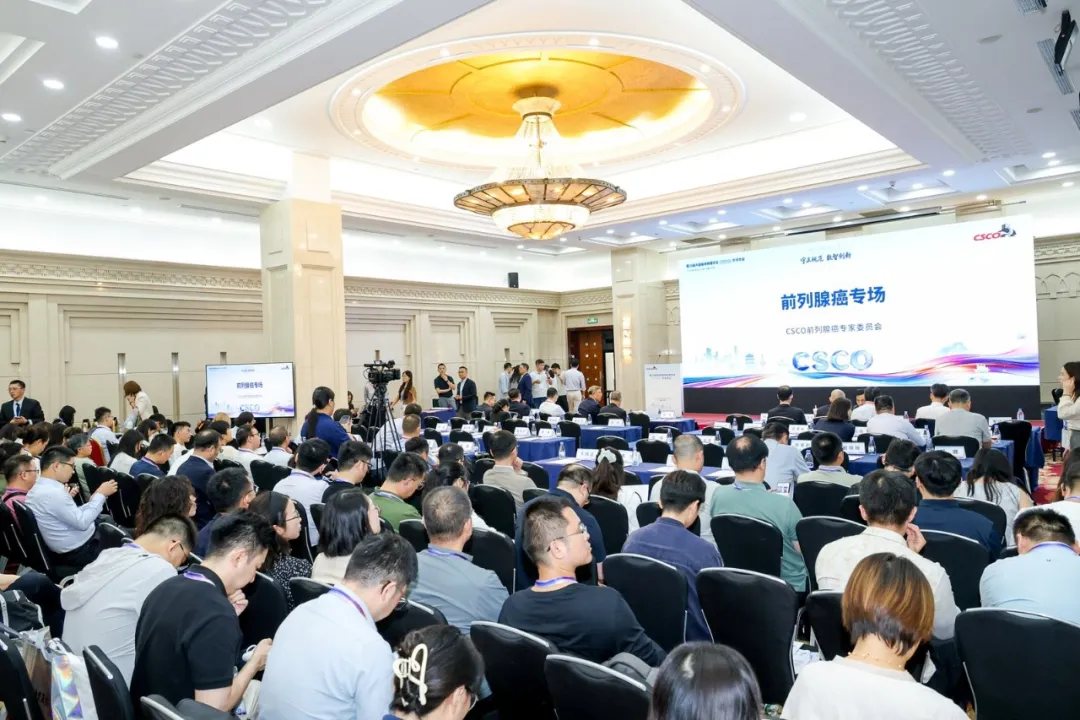
On September 19, 2026, the prostate cancer session of the 29th Annual Meeting of the Chinese Society of Clinical Oncology (CSCO) was held in Jinan, Shandong. Organised by the CSCO Prostate Cancer Expert Committee, the session was held under the theme “Building on the Past, Shaping the Future: A New Journey for CSCO PC”.
The session brought together leading experts in urologic oncology from across China. It was built around four core blocks — early screening and early diagnosis, comprehensive treatment of localized disease, whole-course management of advanced disease, and original research and innovation — and took as its starting point the disease characteristics of the Chinese population and the practical problems clinicians meet in daily practice.
Two landmark outputs were announced during the session: the release of the 2026 CSCO Prostate Cancer Diagnosis and Treatment Guidelines, and the launch of the CSCO Prostate Cancer Patient Education Handbook project. Through keynote lectures, frontier oral reports and rounds of expert debate, the session mapped out progress in the standardised diagnosis and treatment of prostate cancer in China and built a high-level academic platform for translating frontier findings into clinical practice.
A Session Designed Around Clinical Practice
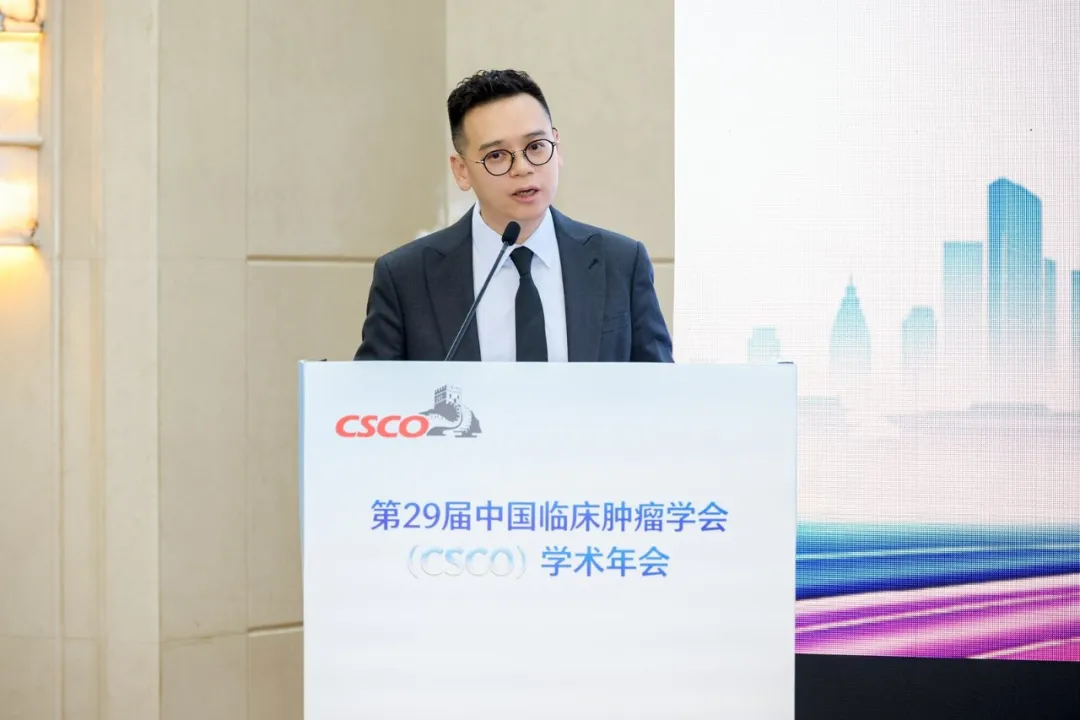
The session was chaired throughout by Prof. Zeng Hao of West China Hospital, Sichuan University. He welcomed the experts and colleagues in attendance, introduced the structure and academic positioning of the programme, and noted that the session was designed to stay close to clinical practice, to focus on current controversies and difficult problems, and to keep an eye on frontier innovation, so that high-quality resources from across the country could be brought together and real clinical questions answered.
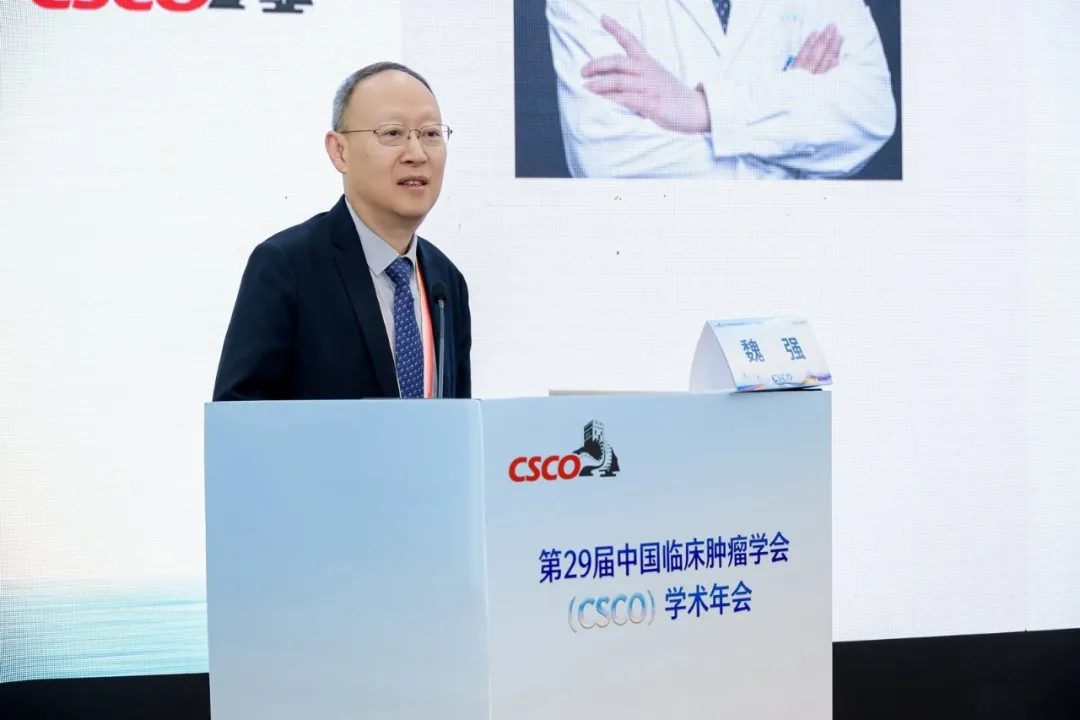
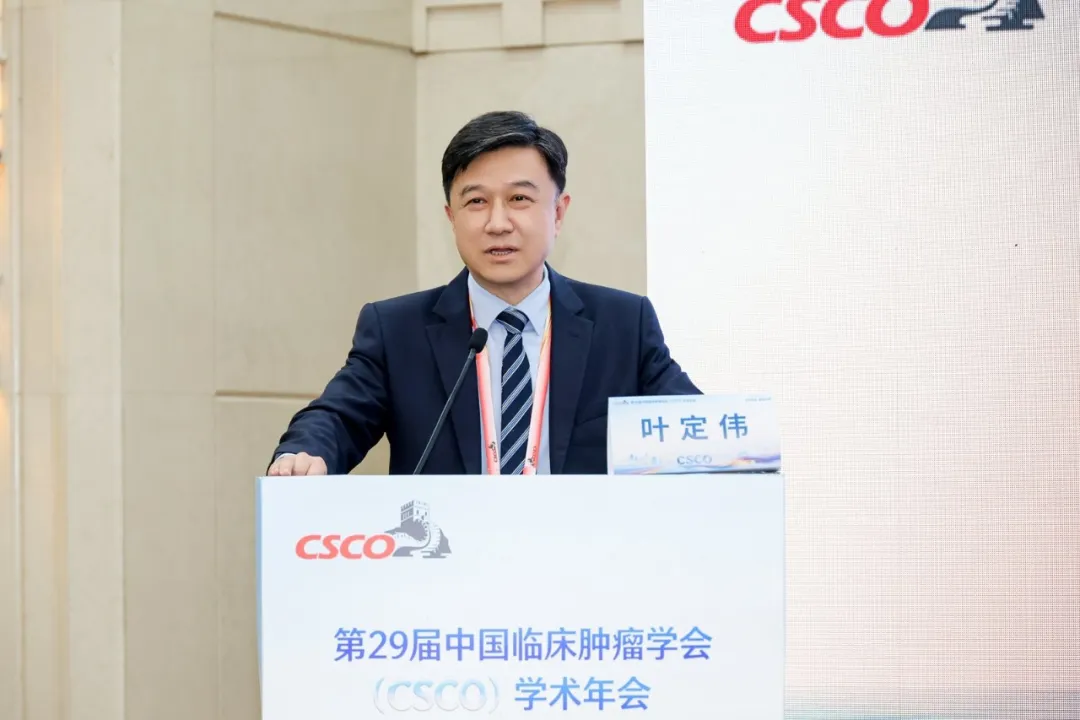
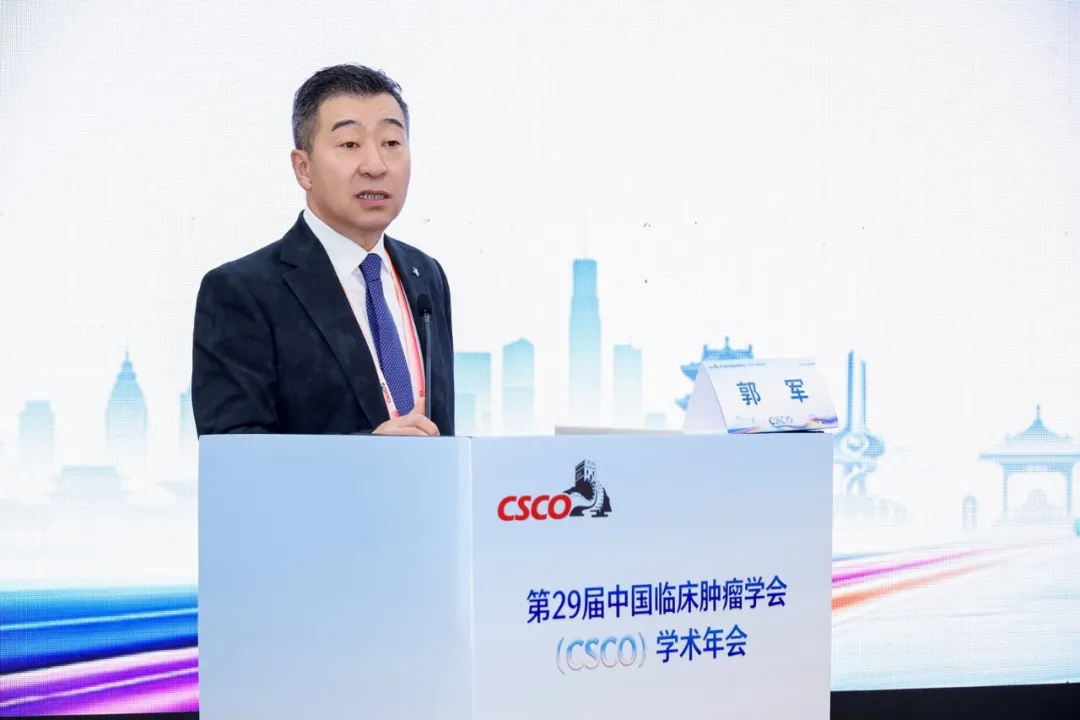
Opening remarks were then given by Prof. Wei Qiang of West China Hospital, Sichuan University; Prof. Ye Dingwei of Fudan University Shanghai Cancer Center, an invited expert of Shanghai GOBROAD Cancer Hospital of China Pharmaceutical University; and Prof. Guo Jun of Peking University Cancer Hospital.
Speaking on behalf of the CSCO Prostate Cancer Expert Committee, Prof. Wei Qiang welcomed experts and colleagues from across the country and noted that this year's programme was pragmatic and efficient and closely aligned with clinical needs. He wished participants a productive exchange that would sharpen their clinical skills and, in the end, serve patients with prostate cancer better.
Prof. Ye Dingwei pointed out that this year's session deliberately moved away from a model that leaned on international experience, turning instead to clinical practice in China. The content, he said, is highly practical and directly applicable, and he wished the session every success.
Prof. Guo Jun summarised the field from a broader perspective. He affirmed the substantial progress China has made in standardising prostate cancer care and in disseminating clinical guidelines, work founded by Prof. Ye Dingwei and carried forward under the leadership of Prof. Wei Qiang. He encouraged the committee to keep investing in original clinical research and to continue raising the international academic profile of Chinese prostate cancer research.
Two Landmark Releases: Guidelines and Patient Education
After the opening remarks, the session moved to two landmark release ceremonies.
The 2026 CSCO Prostate Cancer Guidelines
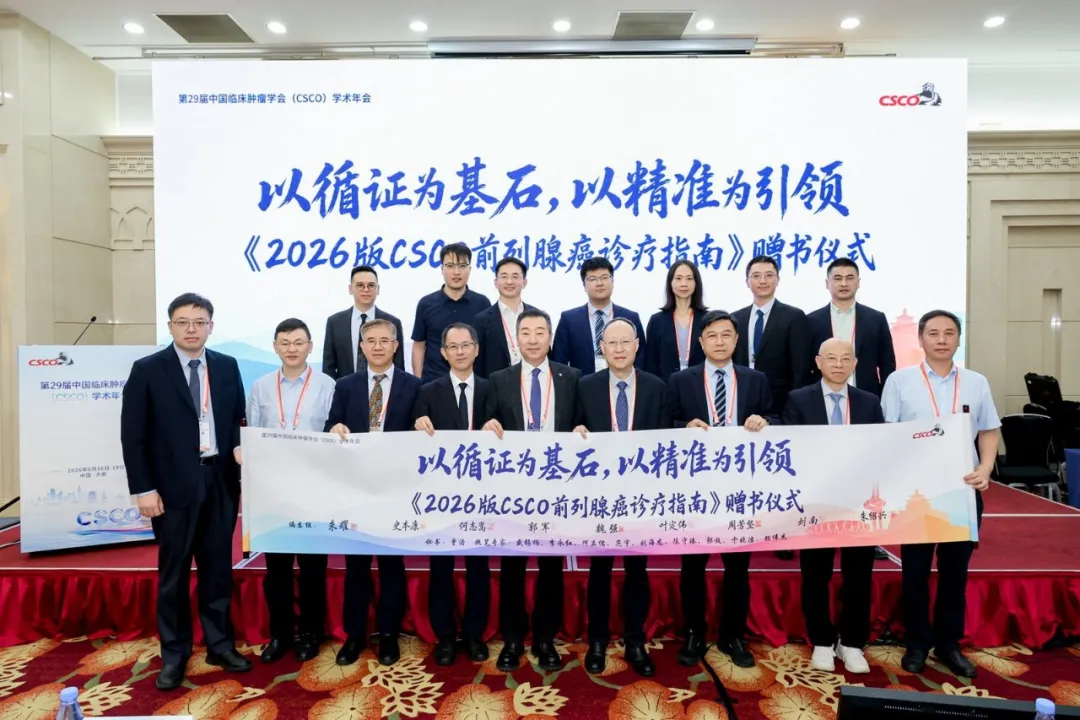
The first was the book donation ceremony for the 2026 CSCO Prostate Cancer Diagnosis and Treatment Guidelines. A dedicated film reviewed the successive editions of the guideline and the results of its nationwide promotion. The new edition is grounded in the disease characteristics of the Chinese population and focuses on precision stratification and individualised whole-course management. It continues to strengthen the domestic evidence base and fills gaps in earlier recommendations by refining stratified treatment strategies, further improving the guideline's local relevance, clinical operability and academic authority. At the ceremony, the editors-in-chief and associate editors completed a scroll-sealing ritual and paid tribute to the expert drafting team behind the long-running editorial work. The release of the new edition is expected to standardise and harmonise prostate cancer care across the country still further, supporting clinicians at the grassroots level and benefiting more patients.
The CSCO Prostate Cancer Patient Education Handbook Project
In parallel, the committee launched the CSCO Prostate Cancer Patient Education Handbook project. Building on the steady improvement of physician-facing guidelines, the committee turned its attention to what patients actually need when they seek care. Two handbooks are planned — a Prostate Cancer Patient Guide and a Whole-Course Management Patient Guide for Metastatic Prostate Cancer — covering the full care pathway for both general and advanced patients. Drawing on authoritative guidelines and clinical experience, the handbooks explain disease awareness, treatment options, rehabilitation after treatment, long-term follow-up and the management of adverse reactions in plain, scientifically sound language. The aim is to address limited patient understanding, poor adherence to follow-up and common misconceptions about care, and to help build an integrated system in which physicians and patients work together across the whole course of treatment.
Session 1 | Screening, Biopsy and Molecular Testing
The first session was chaired jointly by Prof. Guo Jun of Peking University Cancer Hospital, Prof. He Zhisong of Peking University First Hospital and Prof. Shi Benkang of Qilu Hospital of Shandong University. It focused on screening practice in China, innovation in biopsy diagnosis and molecular testing, offering new ideas for building an early screening and early diagnosis system.
Ningbo's Experience in Population-Based Screening
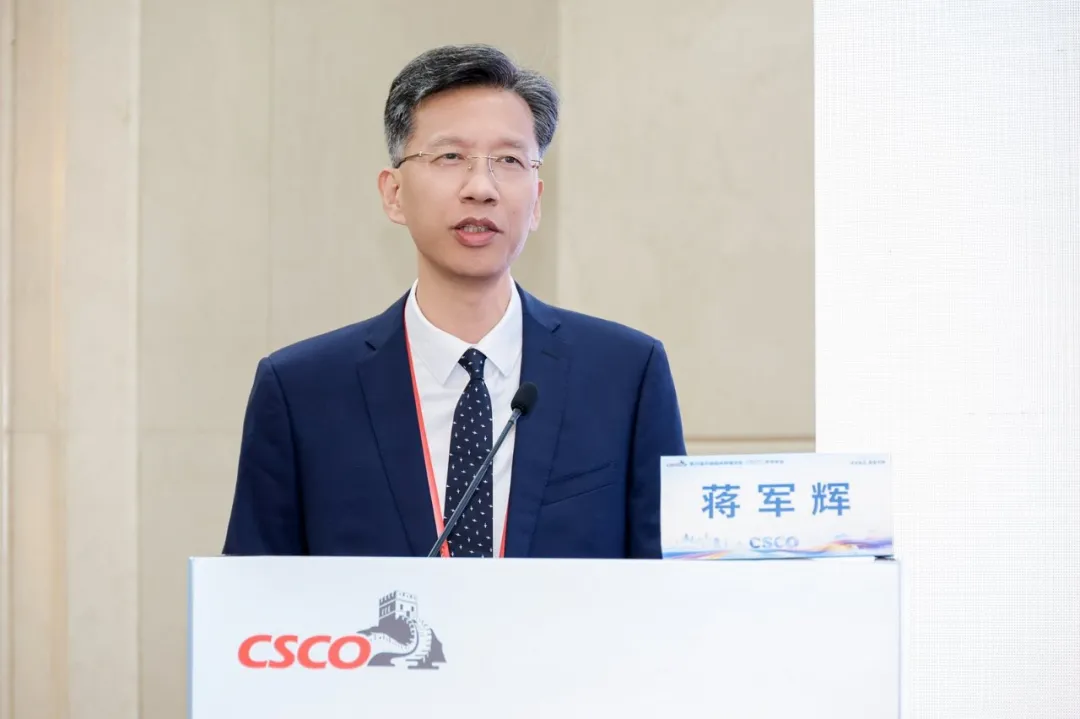
Prof. Jiang Junhui of The First Affiliated Hospital of Ningbo University spoke on “A Paradigm Shift: China's Prostate Cancer Screening — Ningbo's Experience and Exploration”. The incidence of prostate cancer continues to rise and the disease has become a major threat to men's health, yet screening coverage in China remains low and the early screening system needs to be accelerated. Prof. Jiang Junhui described Ningbo's locally adapted screening practice: supported by the public health system and medical insurance policy, the city incorporated PSA testing into universal health checks and built a closed-loop model of community primary screening, imaging review and tiered follow-up. The approach has effectively raised the detection rate of early, clinically significant prostate cancer and offers a replicable, scalable model for primary-level screening programmes nationwide.
A New Model for Biopsy Diagnosis
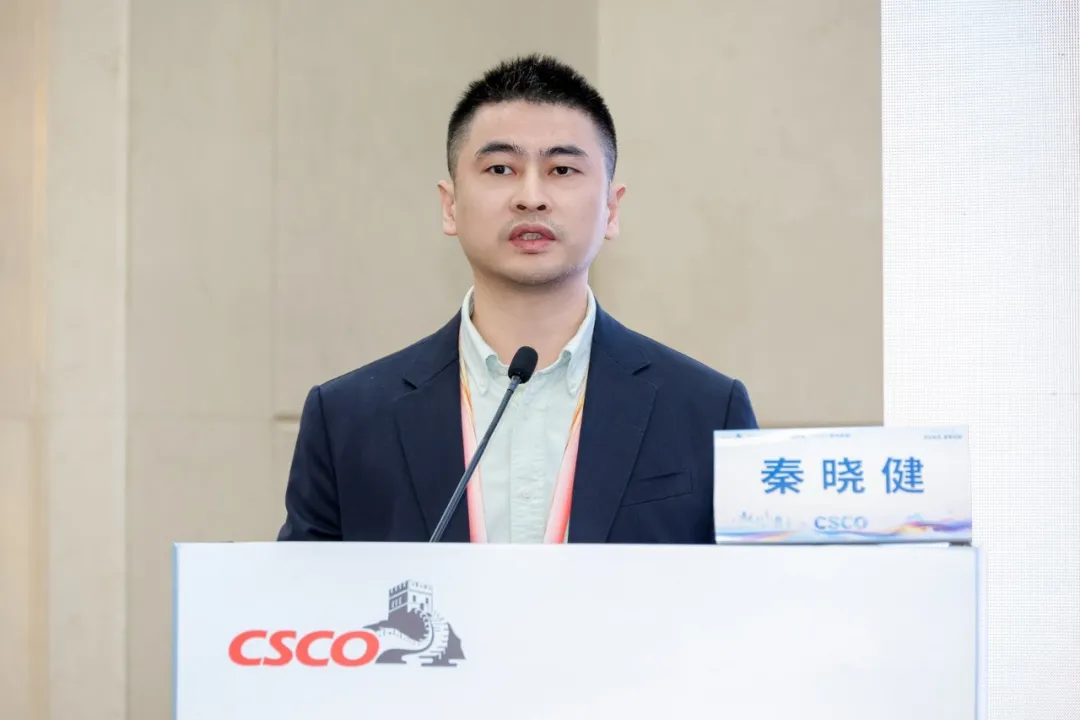
Prof. Qin Xiaojian of Fudan University Shanghai Cancer Center, an invited expert of Shanghai GOBROAD Cancer Hospital, presented “Precision Strike: Innovation in Prostate Biopsy Diagnosis”. Prostate biopsy has evolved for more than a century, yet limitations remain in lesion detection and procedural pathways. Clinical research has shown that combining targeted biopsy with perilesional sampling, or targeted biopsy with systematic biopsy, can preserve detection performance while improving safety and reducing complications. As multiparametric ultrasound, biparametric MRI and multimodal image fusion become more widely available, and as AI-assisted diagnosis, blood-based methylation testing and genetic risk scores continue to develop, it should become possible to refine the population that needs biopsy, avoid unnecessary procedures and move prostate cancer diagnosis toward greater precision, individualisation and minimal trauma.
PTEN Testing in Clinical Practice
Prof. Chen Ni of West China Hospital, Sichuan University, presented “Methods of PTEN Testing in Prostate Cancer and Data from West China Hospital”. PTEN, she noted, is a core tumour suppressor gene with important value in risk stratification, prognostic assessment and the selection of patients for targeted therapy. Drawing on a large clinical dataset from West China Hospital, her team summarised patterns of PTEN loss across different pathological types, intraductal carcinoma components and metastatic lesions, and compared immunohistochemistry with NGS testing. Because of tumour heterogeneity, results from the two methods do not always match. Several typical cases confirmed marked regional heterogeneity within prostate cancer lesions, indicating that pathological assessment needs fine-grained interpretation in order to provide a precise basis for individualised targeted therapy.
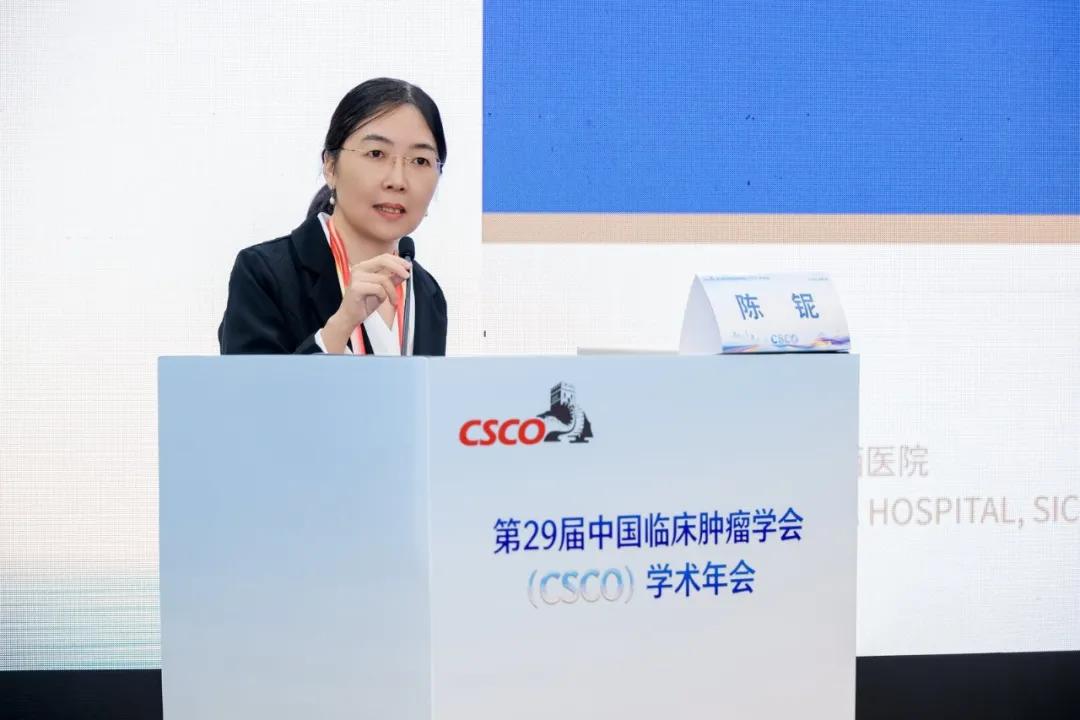
The discussion that followed was joined by Prof. Chen Hui of Harbin Medical University Cancer Hospital, Prof. Jin Baiye of The First Affiliated Hospital, Zhejiang University School of Medicine, Prof. Liao Hong of Sichuan Cancer Hospital, Prof. Xiao Jun of The First Affiliated Hospital of USTC, Prof. Zhu Gang of Beijing United Family Hospital and Prof. Chen Lijun of the Fifth Medical Center of Chinese PLA General Hospital. The experts endorsed the practical experience of prostate cancer screening in Ningbo, noting that a model built on cooperation between government and community can effectively raise the detection rate of early-stage disease, and called for PSA screening for older men to be included in universal health check programmes. Precision prostate cancer care, they argued, requires tiered delivery: basic screening and routine biopsy should be handled at the primary level, while multimodal image fusion and advanced molecular testing should be concentrated in central hospitals. The experts also affirmed the clinical value of transperineal biopsy and PTEN testing, and looked forward to a unified national consensus on pathological interpretation that would further standardise precision diagnosis.
The discussion questions for this session were:
- After long-term follow-up of the ERSPC study and updated evidence from China, how should the long-term benefit of PSA screening be understood again, and how should a screening strategy suited to the Chinese population be built?
- As the transperineal route, reduced-core strategies and multimodal imaging evolve together, how should biopsy be planned for patients at first diagnosis and for those with previous negative results?
- How can the molecular testing pathway across the whole course of prostate cancer be optimised so that molecular results guide precision treatment?
Session 2 | Localized Disease: Perioperative Management and Radiotherapy
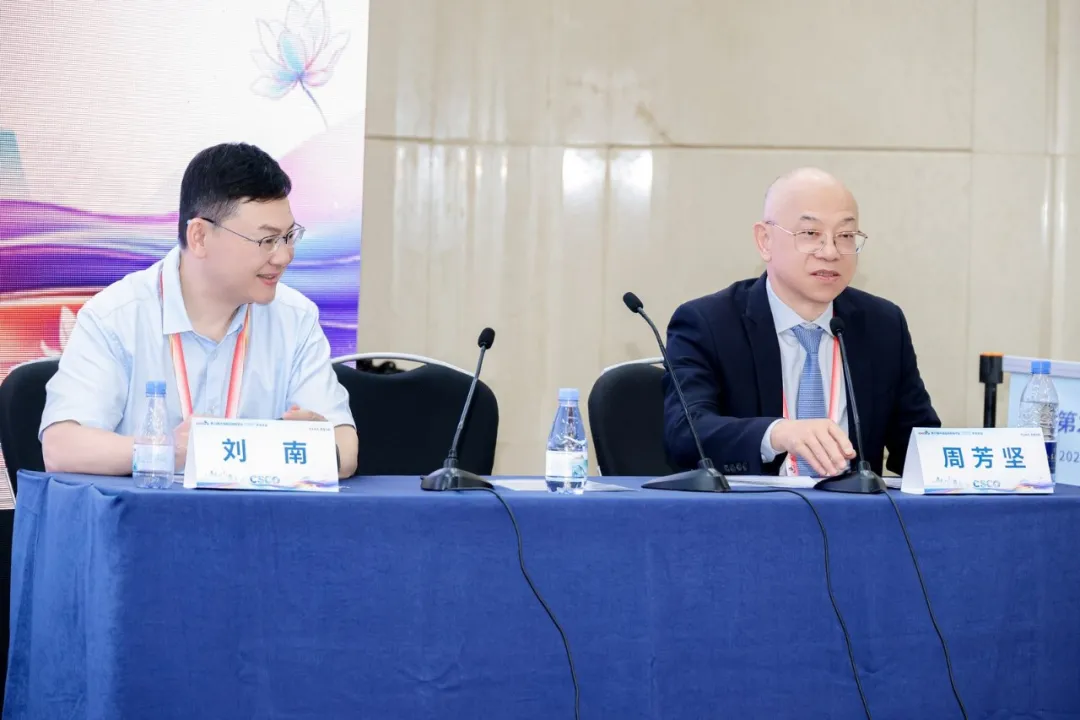
The second session was chaired by Prof. Zhou Fangjian of Sun Yat-sen University Cancer Center and Prof. Liu Nan of Chongqing University Cancer Hospital. It focused on standardised perioperative management and innovation in radiotherapy, with the aim of further refining individualised comprehensive treatment for localized prostate cancer and improving the curative treatment system.
Standards and Extensions in Perioperative Treatment
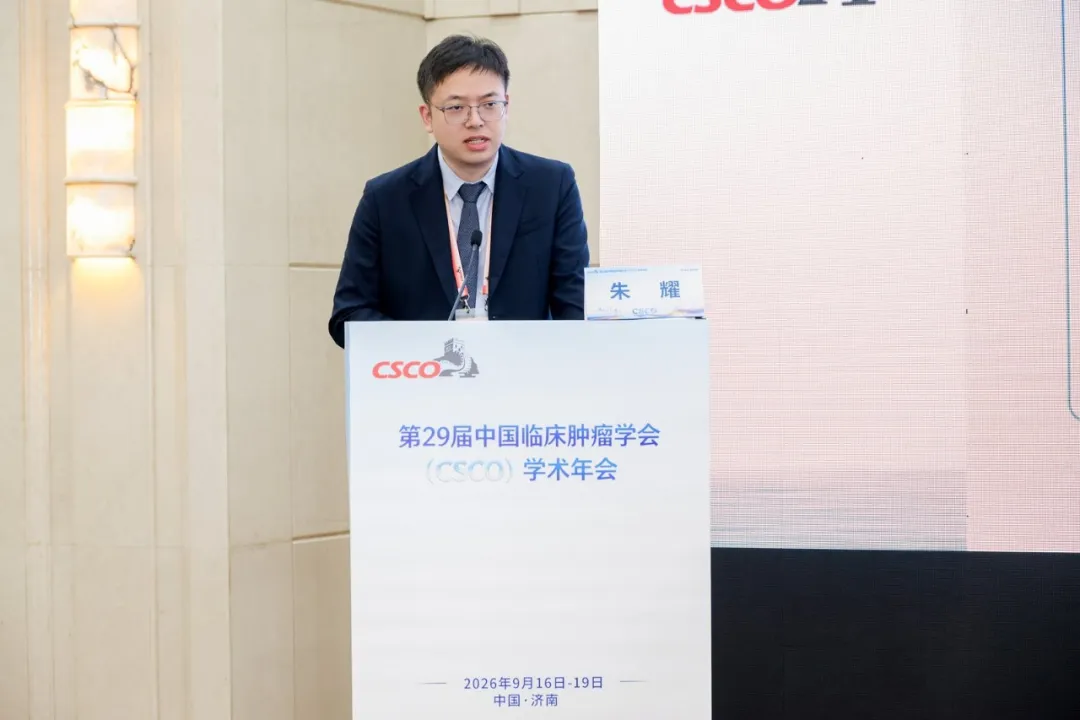
Prof. Zhu Yao of Fudan University Shanghai Cancer Center, an invited expert of Shanghai GOBROAD Cancer Hospital, presented “Upholding Standards, Pursuing Innovation: Standards and Extensions for Perioperative Treatment of Localized Prostate Cancer”. In China, he noted, prostate cancer is often diagnosed at a later stage and intermediate- and high-risk patients account for a large share of cases, an important reason for the survival gap between China and other countries. Neoadjuvant treatment has been explored for many years, but without large positive phase III studies the overall pCR rate remains low and clearing micrometastatic disease is still difficult. Looking ahead, he suggested, molecular subtyping and AI could help predict treatment sensitivity more accurately, allowing perioperative regimens and treatment duration to be individualised, and moving intermediate- and high-risk localized prostate cancer from uniform treatment toward precision, one-stop management across the whole treatment cycle, so that the cure rate can be raised further.
Radiotherapy: Dose, Fractionation and Technology
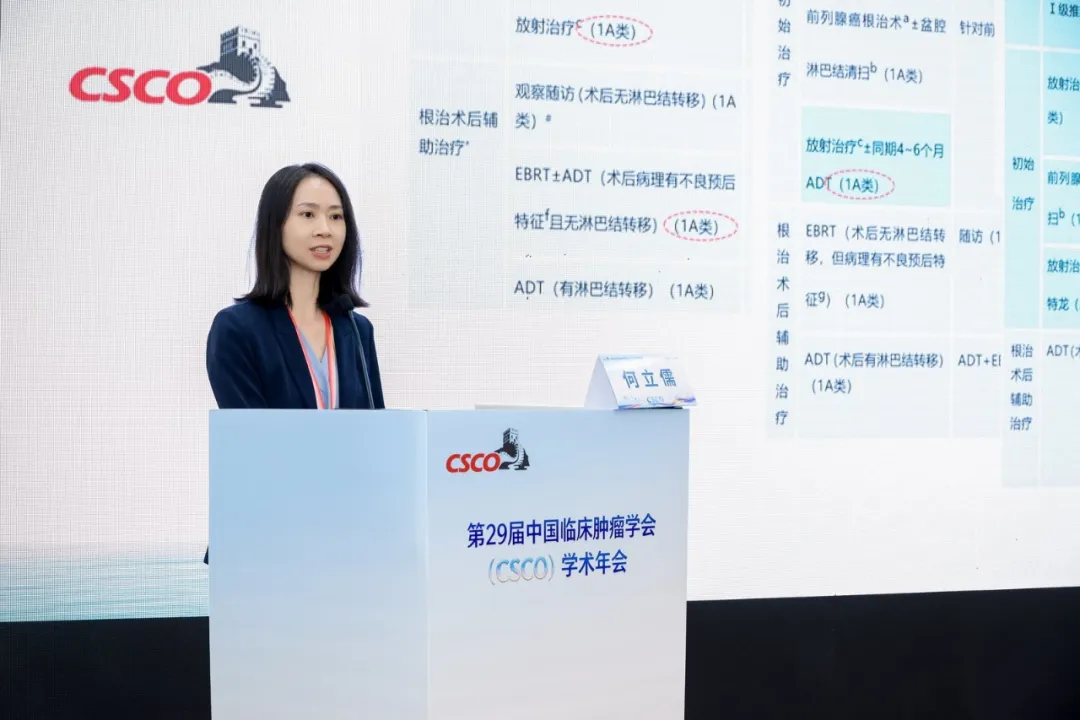
Prof. He Liru of Sun Yat-sen University Cancer Center presented “Refinement: Radiotherapy Models and Technological Innovation for Localized Prostate Cancer”. Her report covered three directions — dose escalation, shorter treatment courses and technological iteration — and interpreted radical radiotherapy strategies in the light of CSCO and international guidelines. High-dose radiotherapy combined with novel endocrine therapy can significantly reduce the risk of prostate-cancer-specific death. Hypofractionated radiotherapy and stereotactic radiotherapy have become mainstream recommendations, with long-term follow-up confirming reliable efficacy and safety for shorter courses. Frontier technologies such as AI-adaptive radiotherapy and proton and heavy-ion therapy can better protect surrounding normal tissue and reduce treatment-related toxicity, opening a new path for precision radiotherapy in localized prostate cancer.
The discussion was joined by Prof. Chen Wei of The First Affiliated Hospital of Wenzhou Medical University, Prof. Hu Bin of Cancer Hospital of China Medical University, Prof. Tu Xinhua of Jiangxi Cancer Hospital and Prof. Xing Jinchun of The First Affiliated Hospital of Xiamen University. The experts noted that perioperative intensification for localized prostate cancer should combine precise staging with molecular subtyping to identify who is likely to benefit, and that high-risk patients may be considered for neoadjuvant systemic therapy; regimens should be individualised, with close multidisciplinary collaboration between urology and radiation oncology. Radiotherapy technique, fractionation and ADT combination strategies need to be assessed against the individual patient's situation. Primary hospitals, they added, may misjudge staging because of limited equipment, which can interfere with subsequent treatment. Prostate cancer care has entered an era of precision, minimally invasive treatment and multidisciplinary collaboration, and frontier imaging and AI technologies can help reduce staging error and support curative comprehensive treatment.
The discussion questions for this session were:
- How should perioperative systemic intensification be chosen on the basis of the perioperative characteristics of localized prostate cancer in order to improve long-term oncological outcomes?
- With updates in radiotherapy fractionation and early postoperative salvage radiotherapy, how should radiotherapy technique, timing and ADT combination be individualised?
Session 3 | Metastatic Disease: From Stratification to Multi-Mechanism Combinations
The third session was chaired by Prof. Xie Xiaodong of the General Hospital of Northern Theater Command of the Chinese PLA and Prof. Zhu Shaoxing of Fujian Medical University Union Hospital. It focused on the two core advanced disease states, mHSPC and mCRPC, reviewing stratified treatment paradigms and new strategies for multi-mechanism combination therapy.
Precision Stratification in mHSPC
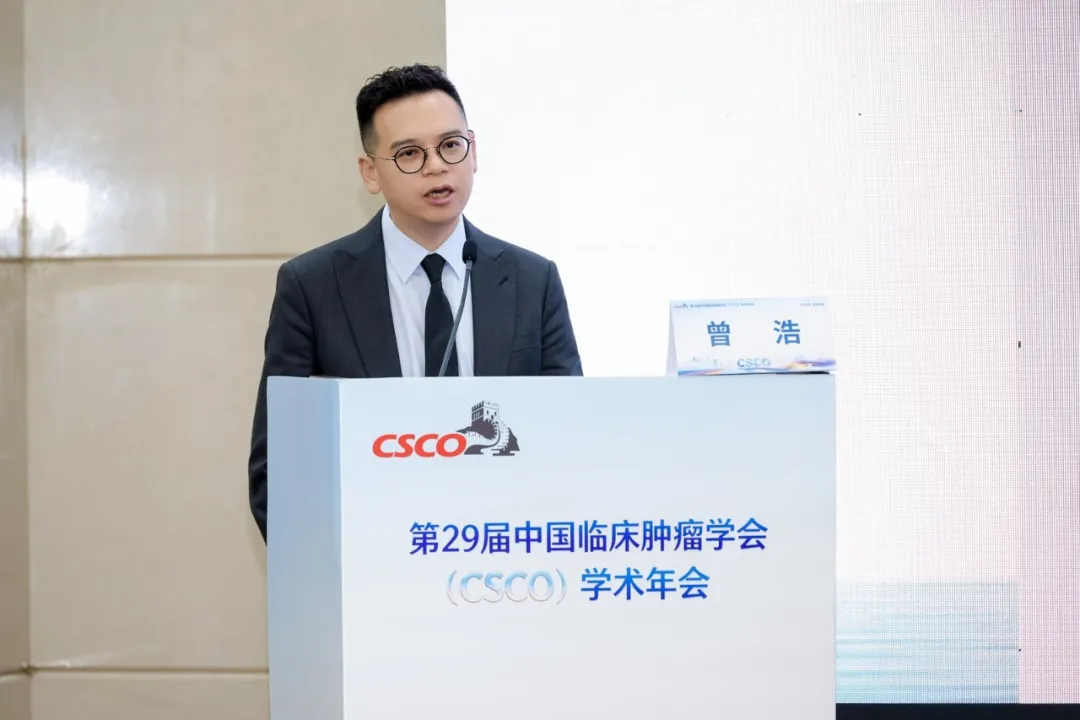
Prof. Zeng Hao presented “Precision Stratification: The Evolution and Reshaping of mHSPC Treatment Paradigms”. Treatment of mHSPC, he said, has moved beyond a single clinical stratification model into an era of precision stratification that integrates clinical phenotype, imaging features and molecular markers. Markers such as HRR/BRCA, PTEN and PSMA are shifting from traditional prognostic indicators into tools for selecting patients for targeted therapy, immunotherapy and radionuclide therapy, including PARP inhibitors, AKT inhibitors and PSMA-RLT. At the same time, post-treatment PSA dynamics, ctDNA and imaging follow-up make it possible to move from baseline stratification to dynamic risk management across the whole course of treatment. New models based on treatment-response feedback — intensification, de-escalation and intermittent therapy — still require more prospective evidence.
A New Landscape for mCRPC
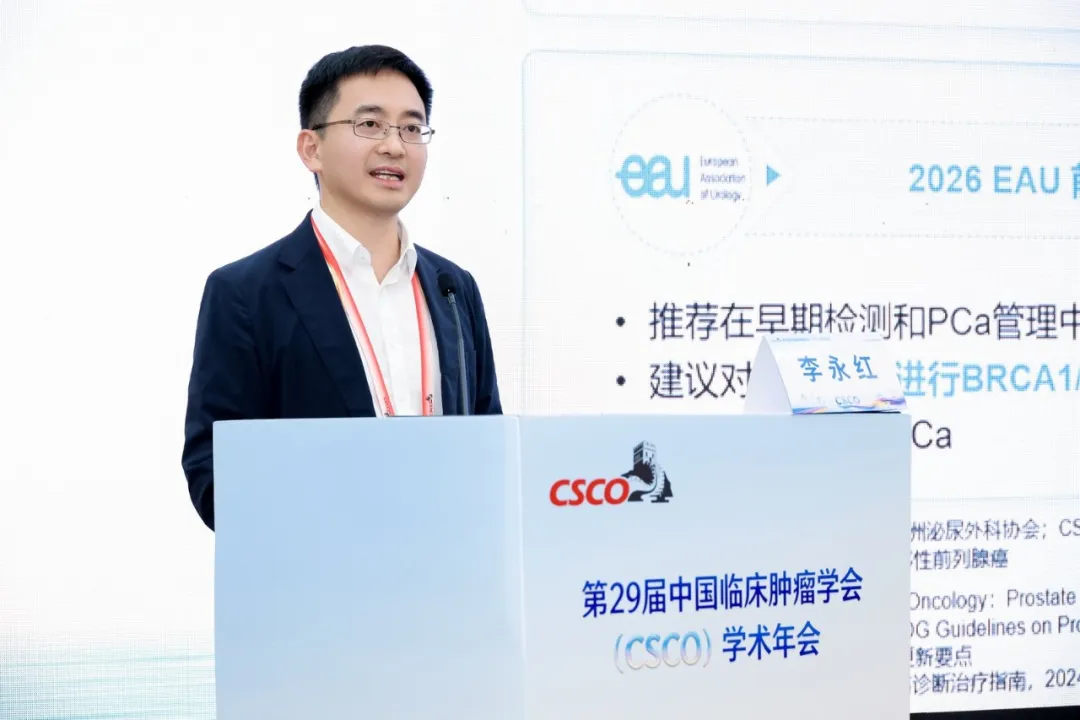
Prof. Li Yonghong of Sun Yat-sen University Cancer Center presented “Breaking Through: A New Landscape for mCRPC Treatment Driven by Multi-Mechanism Combinations”. mCRPC treatment, he said, has moved beyond the traditional model of choosing drugs by treatment line and entered an era of precision decision-making driven by genomic information, pathway prioritisation and dynamic updating. With the continued development of agents targeting HRR, PTEN, PSMA and AR, together with emerging therapies such as ADCs, CAR-T and EZH2 inhibitors, treatment options for advanced prostate cancer continue to expand. In the future, dynamic testing and whole-course sequencing will be needed to avoid cross-resistance between drugs and to connect clinical research with clinical practice, building a standardised and implementable whole-course treatment system for mCRPC.
The discussion was joined by Prof. Bian Jiasheng of Shandong Cancer Hospital Affiliated to Shandong First Medical University, Prof. Sheng Xinan of Peking University Cancer Hospital, Prof. Wang Haitao of The Second Hospital of Tianjin Medical University, Prof. Yang Lu of West China Hospital, Sichuan University and Prof. Zhang Aili of The Fourth Hospital of Hebei Medical University. The experts observed that mHSPC needs to be stratified using imaging tumour burden, pathological features, molecular markers and comorbidities, with dynamic assessment of response and individualised decisions on intensification or de-escalation. In mCRPC, prior drug exposure, biomarkers and disease phenotype should guide the arrangement of combination or sequential regimens, and repeat use of drugs with the same mechanism should be avoided, with attention paid to individualised dose adjustment. As ADCs, radionuclides and novel targeted and immunotherapies continue to emerge, the core directions for advanced prostate cancer care will be clinical decision-making supported by big data and AI, careful control of treatment toxicity, and encouraging precision-selected patients to take part in clinical research.
The discussion questions for this session were:
- For patients with mHSPC who are metastatic at first diagnosis or who relapse and metastasise, how should further stratification by tumour burden and molecular features determine the initial combination regimen and treatment intensity?
- When several multi-mechanism drugs are available for mCRPC, how should combination or sequential regimens be arranged according to prior exposure, biomarkers and disease phenotype?
Session 4 | Oral Abstracts: Four Original Chinese Studies
The oral abstract session was chaired by Prof. Li Ningchen of Peking University Shougang Hospital, Prof. Lü Jiaju of Shandong Provincial Hospital Affiliated to Shandong First Medical University and Prof. Xue Wei of Renji Hospital, Shanghai Jiao Tong University School of Medicine.
Four original Chinese studies were selected for the session, covering novel drug exploration, AI-assisted diagnosis, precision imaging assessment and real-world data.
- Prof. Bian Xiaojie of Fudan University Shanghai Cancer Center, an invited expert of Shanghai GOBROAD Cancer Hospital, presented a phase II study of sacituzumab tirumotecan combined with pembrolizumab in mCRPC. The regimen showed good antitumour activity, with notable PSA response rate, progression-free survival and overall survival results, and was generally safe and manageable.
- Dr. Huang Chen of The First Affiliated Hospital of Soochow University presented an AI-guided trimodal PSMA PET/CT-MRI-US fusion biopsy technique that can improve the detection rate of clinically significant prostate cancer, accurately identify small lesions and reduce unnecessary biopsies.
- Dr. Zhou Peimin of Peking University First Hospital reported, on the basis of PSMA PET/CT, that mHSPC with osteolytic bone metastases and a high bone tumour burden represents a high-risk subgroup that may benefit from triplet intensification.
- Ms. Yu Peiyan of The First Affiliated Hospital of Jilin University presented a real-world study comparing doublet and triplet regimens in high-volume mHSPC, which suggested that triplet regimens achieve faster PSA responses but carry higher chemotherapy-related haematologic toxicity, with long-term benefit still to be confirmed by extended follow-up.
Prof. Chen Peng of Affiliated Cancer Hospital of Xinjiang Medical University, Prof. Chen Shouzhen of Qilu Hospital of Shandong University, Prof. Li Hui of Peking University People's Hospital and Prof. Shen Pengfei of West China Hospital, Sichuan University joined the discussion of the four oral reports. The experts interpreted the phase II results of the sac-TMT plus immunotherapy regimen and considered that dosing could be further optimised to reduce drug-related toxicity while preserving efficacy. On AI-guided trimodal fusion biopsy, they noted that beyond improving detection rates the technique must balance early diagnosis against overdiagnosis, identify patients who can safely avoid biopsy and demonstrate reproducibility. Osteolytic bone metastases detected on PSMA PET/CT may serve as a high-risk marker in mHSPC, while lesion morphology and tumour burden can affect prognostic assessment. For the real-world study in high-volume mHSPC, the experts pointed out that real-world data are subject to bias, and that doublet and triplet regimens cannot be chosen on tumour burden alone but require multidimensional stratification, with more high-quality studies needed to support clinical decisions.
The discussion questions for this session were:
- How should the phase II signal of sac-TMT combined with pembrolizumab be interpreted in relation to dose, durability of efficacy, biomarkers and toxicity?
- Where does the detection gain of AI-guided trimodal fusion biopsy come from, and can accuracy and reproducibility be maintained while sampling less?
- Can osteolytic metastases and extensive bone burden defined by PSMA imaging become a de novo high-risk marker in mHSPC with good consistency that can guide clinical decisions?
- How can real-world studies control for bias when comparing ARPI-based doublet regimens with docetaxel-containing triplet regimens in high-volume mHSPC?
Closing: A Whole-Pathway View of Prostate Cancer Care
In closing, Prof. Wei Qiang gave a summary address and expressed sincere thanks to all participating experts and colleagues. The session, he said, will continue to focus on the key topics and difficult problems in prostate cancer, to build a high-quality academic exchange platform, to involve more clinicians and researchers, to enrich its academic content and to help frontier research findings reach clinical practice, steadily raising the level of precision prostate cancer care in China.
The session formed a complete academic framework covering the entire prostate cancer care pathway, from early screening through curative treatment of localized disease to whole-course management of advanced disease. Two landmark outputs were completed at the meeting: the updated guideline, and the launch of the patient education handbook project. Drawing on multicentre clinical experience, interpretation of frontier technologies, reports of original research and expert debate, the session set out clear directions — precision stratification, multidisciplinary collaboration and individualised treatment. From multimodal image-guided biopsy and AI-assisted diagnosis to clinical exploration of novel agents such as ADCs and radionuclides, the session presented a concentrated view of innovation in prostate cancer care in China. Going forward, colleagues in urologic oncology will continue to develop evidence from Chinese populations, refine models of physician-patient collaboration and keep advancing standardised, precision prostate cancer care for the benefit of more patients in China.
For GOBROAD Medical Group, the session was also a close-up view of the clinical collaboration it has built in urologic oncology. Prof. Ye Dingwei, Prof. Qin Xiaojian, Prof. Zhu Yao and Prof. Bian Xiaojie, all invited experts of Shanghai GOBROAD Cancer Hospital of China Pharmaceutical University, took part in chairing, keynote presentations and oral reports covering early diagnosis, perioperative management, radiotherapy and novel drug research. This reflects GOBROAD's continuing exploration of a research hospital model: beginning with patient needs and clinical questions, seeking answers in research, and bringing new evidence, concepts and experience back to the clinic. GOBROAD's physician teams will continue to take part in professional academic exchange and clinical research in urologic oncology and other fields, so that new research results can better serve clinical decisions and offer patients more treatment options.
This article is a press summary based on the official programme of the CSCO 2026 prostate cancer session and publicly released information about the 2026 CSCO Prostate Cancer Diagnosis and Treatment Guidelines and the CSCO Prostate Cancer Patient Education Handbook project. It is intended for general informational purposes only and does not constitute medical advice, diagnosis, or treatment. Please consult a qualified physician for any medical decision.