
The Unmet Need After Anti-PD-1 Failure
Patients with advanced melanoma whose disease progresses on anti-PD-1 therapy still have very limited options for later-line treatment. In China the problem is compounded by epidemiology: unlike Europe and North America, where cutaneous melanoma dominates, the acral and mucosal subtypes together make up the majority of Chinese melanoma cases, and both carry a lower response rate to immune checkpoint inhibitors and a poorer prognosis.
Tumour-infiltrating lymphocyte (TIL) therapy has therefore attracted considerable interest. It is an adoptive cell therapy: lymphocytes that have already entered the tumour are expanded outside the body and then reinfused in large numbers, on the premise that the patient's own T cells recognise tumour antigens. Early single-arm studies established meaningful anti-tumour activity, but the evidence base remained limited, particularly for the subtypes that predominate in Asia.
GC101 is an investigational TIL product developed in China. Its pivotal phase II trial, MIZAR-003, was the first registrational randomised controlled study of TIL therapy in the later-line melanoma setting anywhere in the world. The primary results were presented as a late-breaking abstract at the 2026 American Society of Clinical Oncology (ASCO) Annual Meeting; at the 2026 European Society for Medical Oncology (ESMO) Congress, extended follow-up data were again selected for late-breaking presentation, with the data cut-off extended to 2 July 2026.
MIZAR-003: Study Design at a Glance
MIZAR-003 is a multicentre, randomised, open-label phase II study evaluating GC101 against investigator's choice chemotherapy in patients with advanced melanoma who had progressed on prior anti-PD-1 therapy. All enrolled patients had received at least two lines of systemic treatment. Acral and mucosal subtypes accounted for the majority of the population; 89.9% had distant metastases and more than half had metastatic involvement of at least three organs.
MIZAR-003 extended follow-up at ESMO 2026
- Population: advanced melanoma progressing after anti-PD-1 therapy, at least two prior systemic lines, acral and mucosal subtypes predominant
- Comparison: GC101 TIL therapy versus chemotherapy
- Data cut-off: 2 July 2026, approximately 1.5 months beyond the ASCO analysis
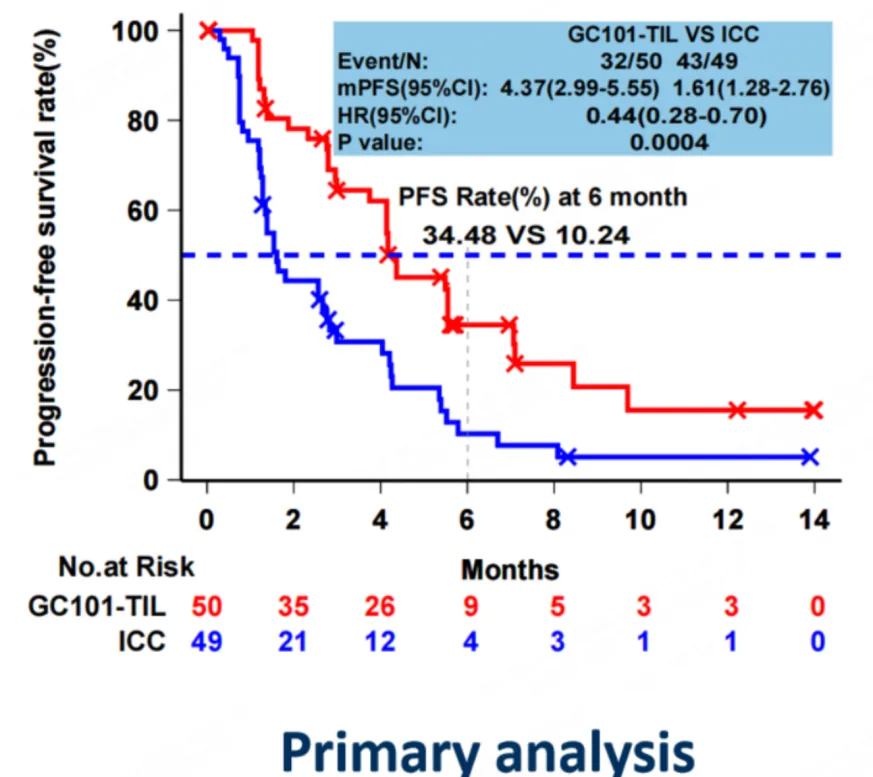
- Median PFS: 4.37 versus 1.61 months, HR 0.44 (95% CI 0.28–0.70), P=0.0004
- Objective response rate: 44.0% versus 8.2%, including three additional complete responses of target lesions
- Mucosal subtype: 4.81 versus 1.45 months, HR 0.23, P=0.0215
- Acral subtype: 4.37 versus 1.38 months, HR 0.41, P=0.0034
- Safety: no new signals during extended follow-up; grade 3 or higher events mainly lymphodepletion-related haematological toxicity
Extended Follow-Up: Deeper Responses, Stable PFS Advantage
Compared with the ASCO data set, follow-up was extended by roughly 1.5 months. Median progression-free survival (PFS) in the GC101 arm reached 4.37 months against 1.61 months in the chemotherapy arm, a hazard ratio of 0.44 (95% CI 0.28–0.70; P=0.0004). The six-month PFS rate was 34.48% versus 10.24%.
Best percentage change in target lesions showed a clearly wider and deeper response distribution in the GC101 arm, while the chemotherapy arm was dominated by progressive disease.
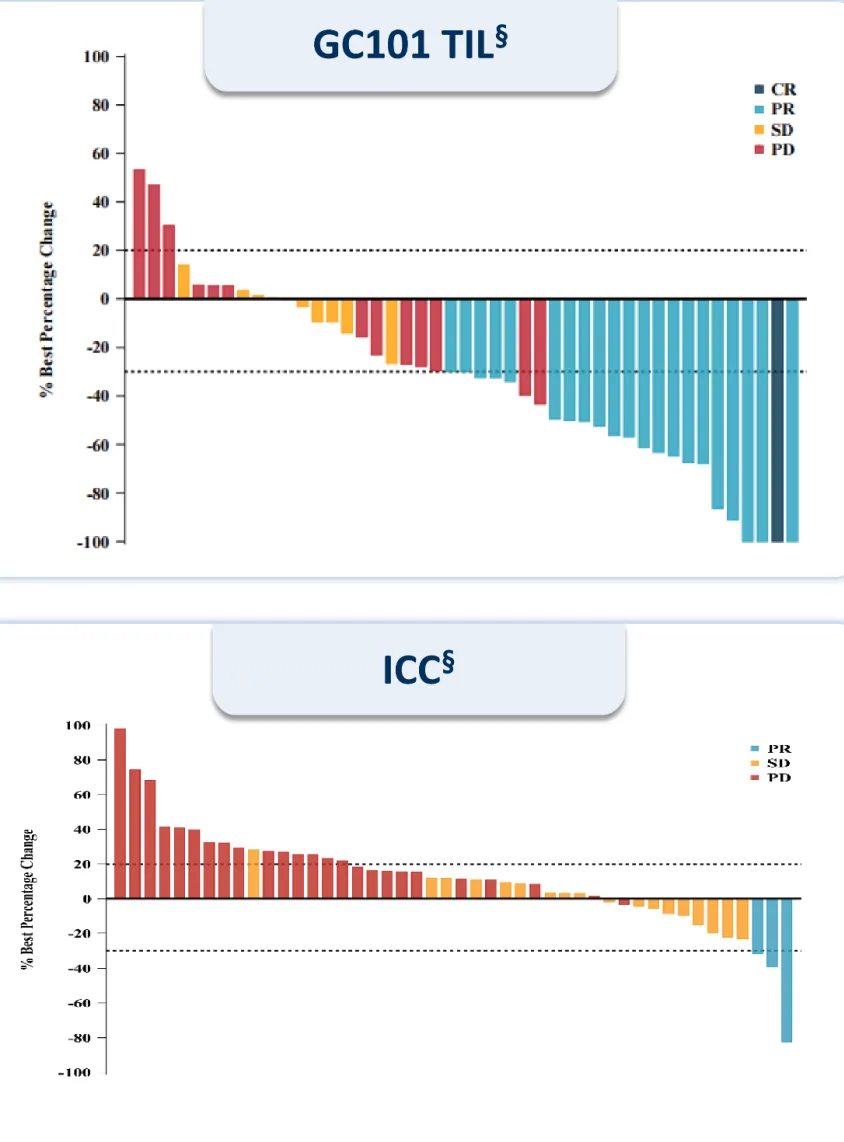
The objective response rate rose from 42.0% at ASCO to 44.0% at ESMO, compared with 8.2% in the chemotherapy arm, and three additional patients converted to a complete response of target lesions. Overall survival (OS) data remain immature, but 59% of patients in the chemotherapy arm crossed over to receive GC101, and the survival trend favouring GC101 has continued to separate since the earlier analysis — a pattern that supports the durability rather than the mere magnitude of the benefit.
Mucosal and Acral Subtypes: Where the Trial Actually Bites
The subgroup results are arguably the most consequential part of the data set. In the mucosal subtype, median PFS was 4.81 months with GC101 versus 1.45 months with chemotherapy (HR 0.23; P=0.0215). In the acral subtype the figures were 4.37 versus 1.38 months (HR 0.41; P=0.0034). Median PFS in the cutaneous subgroup treated with GC101 was 4.14 months.
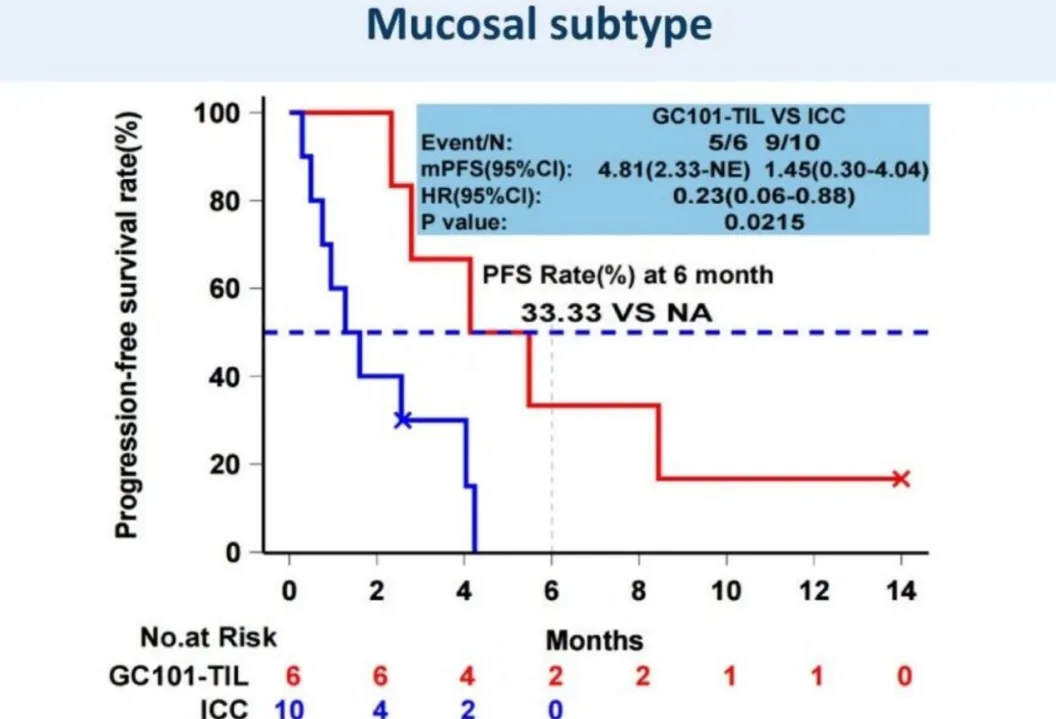
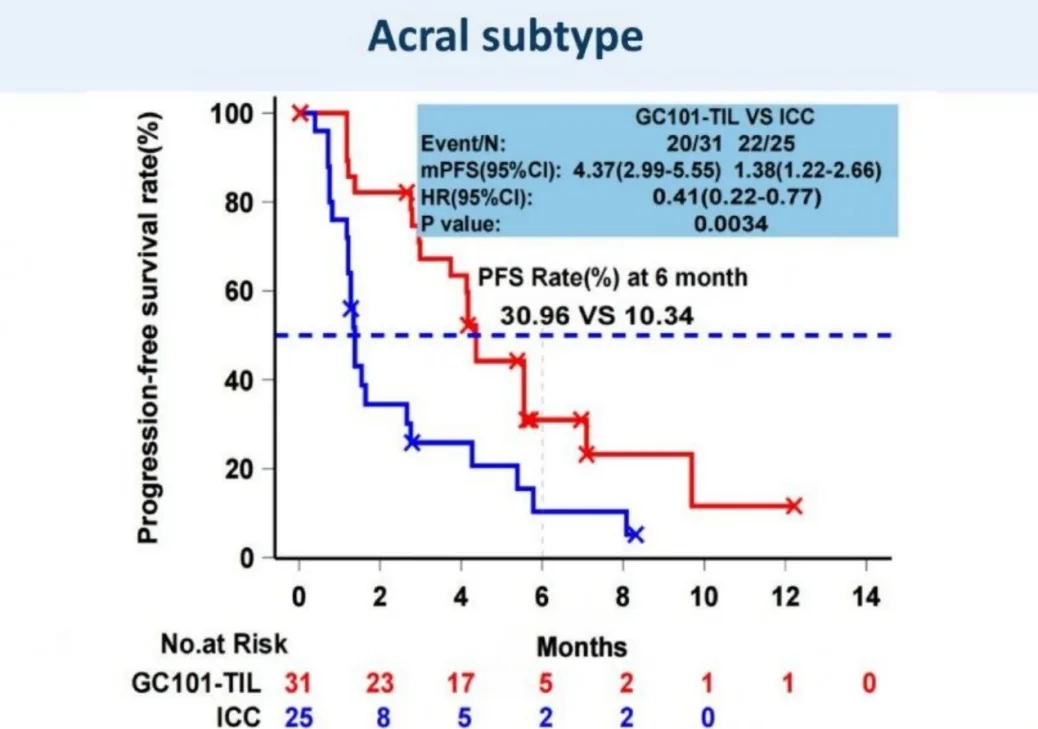
This matters because earlier international TIL studies enrolled predominantly cutaneous melanoma. In the lifileucel clinical programme, for example, acral and mucosal patients together accounted for less than 15% of enrolment, so the applicability of those results to the subtypes that dominate in China remained an open question. MIZAR-003 inverted that ratio: by enrolling a population that mirrors the Chinese disease spectrum, it produced randomised evidence for exactly the patients who had been underrepresented.
Prof. Guo Jun: “Both subtypes are biologically distinct from cutaneous melanoma, and after anti-PD-1 failure these patients have few options and thin evidence. Here the majority of the trial population was acral or mucosal, and both subgroups maintained a clear PFS advantage over chemotherapy. That is the part of these data that changes how I think about later-line treatment.”
The mechanistic explanation remains partly inferential. Acral and mucosal melanomas often show a relatively immune-excluded microenvironment with sparse intratumoural cytotoxic T lymphocytes, which is one reason checkpoint inhibition underperforms. Prof. Si Lu noted that TIL therapy may compensate for that deficit directly: tumour-reactive T cells are expanded ex vivo and returned in numbers large enough to restore an effective local effector population, even in patients whose tumours responded poorly to checkpoint blockade. She was careful to frame this as a reasonable hypothesis consistent with existing data rather than an established mechanism, and one that requires translational confirmation.
A Simplified Regimen: Less Lymphodepletion, No IL-2
Conventional TIL protocols require intensive lymphodepleting conditioning followed by high-dose interleukin-2 (IL-2) support after infusion. That combination is what has historically kept TIL therapy confined to a small number of specialist centres: the haematological toxicity of conditioning and the systemic toxicity of IL-2 both demand intensive care capability.
GC101 was designed around a lighter platform. Cyclophosphamide dosing is roughly halved compared with conventional regimens, fludarabine is replaced by hydroxychloroquine — an antimalarial with immunomodulatory properties and comparatively mild marrow suppression — and IL-2 support after infusion is omitted entirely. The intent is to reduce conditioning-related toxicity while preserving, or even improving, the environment into which the expanded cells are returned.
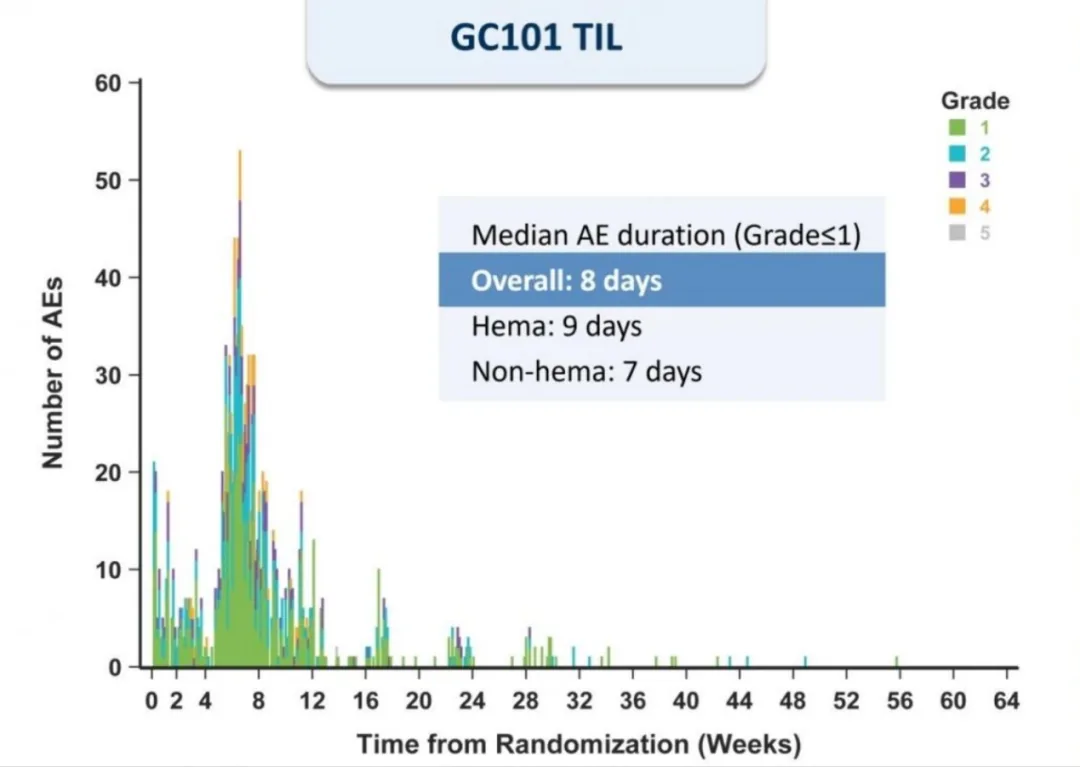
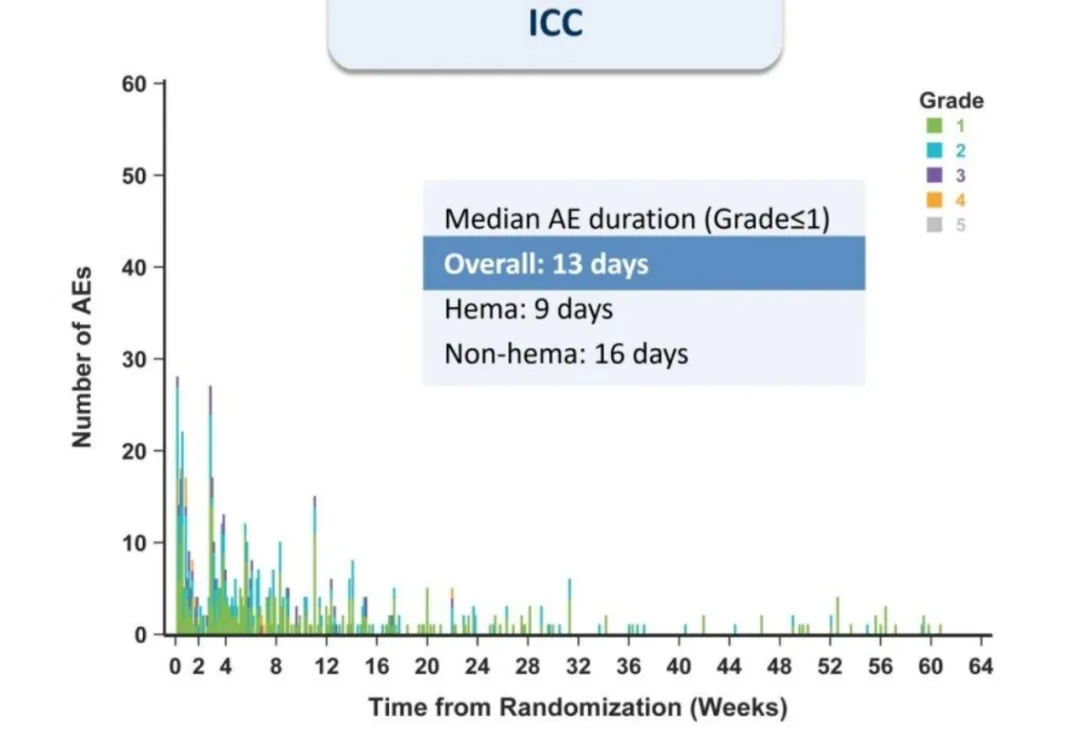
In the extended follow-up, no new safety signals emerged in either arm and event durations were essentially unchanged. Grade 3 or higher treatment-emergent adverse events in the GC101 arm were predominantly lymphodepletion-related haematological toxicity. Median adverse event duration was 8 days with GC101 versus 13 days with chemotherapy. There were no treatment-related deaths in the GC101 arm and no grade 3 or higher cytopenia lasting beyond 30 days.
Prof. Si Lu: “Removing high-dose IL-2 and reducing conditioning intensity lowers the barrier to delivering this therapy outside a handful of highly specialised units. That is not only a safety question — it is a question of how many patients can realistically be treated.”
What This Means for Patients and for Practice
Three conclusions follow from the ESMO update. First, the efficacy signal is stable rather than fading with longer observation, and responses continued to deepen after the primary analysis — the pattern expected of a therapy that engages the adaptive immune system rather than one that transiently debulks tumour. Second, the benefit is concentrated precisely in the subtypes where the clinical need is greatest and the existing evidence weakest. Third, the safety profile of the simplified regimen is compatible with wider delivery, subject to the cell-manufacturing, quality-control and clinical-management infrastructure that any TIL programme requires.
Important caveats remain. OS is not yet mature, and crossover from the control arm will complicate its eventual interpretation. The trial is open-label, and PFS was investigator-assessed. Long-term follow-up will be needed to characterise durability beyond the current median, and the cost and logistics of TIL manufacturing remain substantial barriers to access in any health system.
Beijing GOBROAD Hospital is a designated site for melanoma and sarcoma medical oncology within the GOBROAD Medical Group network, and its specialists participate in cellular therapy programmes for solid tumours. International patients seeking assessment for TIL therapy or other adoptive cell therapy options can contact the MedTourChina international patient team to discuss eligibility, the treatment pathway and practical arrangements for travelling to China.
References
- Rohaan MW, Borch TH, van den Berg JH, et al. Tumor-Infiltrating Lymphocyte Therapy or Ipilimumab in Advanced Melanoma. N Engl J Med. 2022;387(23):2113-2125.
- Chesney J, Lewis KD, Kluger H, et al. Efficacy and safety of lifileucel, a one-time autologous tumor-infiltrating lymphocyte cell therapy, in patients with advanced melanoma after progression on immune checkpoint inhibitors and targeted therapies: pooled analysis of consecutive cohorts of the C-144-01 study. J Immunother Cancer. 2022;10(12):e005755.
- McClelland PH, Nah SK, et al. Adoptive Cell Transfer of Tumor-Infiltrating Lymphocytes for Metastatic Acral Lentiginous Melanoma. J Clin Oncol. 2025;43(22):2479-2489.
- Nakamura Y, Zhenjie Z, et al. Poor Lymphocyte Infiltration to Primary Tumors in Acral Lentiginous Melanoma and Mucosal Melanoma Compared to Cutaneous Melanoma. Front Oncol. 2020;10:524700.
- MIZAR-003 extended follow-up. 2026 ESMO Congress, late-breaking abstract.
About the Featured Experts
Prof. Guo Jun (郭军)
Director, Department of Melanoma and Sarcoma Medical Oncology and Department of Genitourinary Medical Oncology, Beijing Cancer Hospital
Academic Leader, Melanoma and Sarcoma Medical Oncology and Genitourinary Medical Oncology, Beijing GOBROAD Hospital
Chief Physician / Professor / Doctoral Supervisor
Specialisation: Medical treatment of melanoma, sarcoma and genitourinary tumours, with a long-standing focus on molecularly stratified therapy and immunotherapy for Chinese melanoma subtypes.
Vice President and Secretary-General of the Chinese Society of Clinical Oncology (CSCO); Vice Chair of the International Melanoma Society; Chair of the ESMO Melanoma and Skin Cancer Faculty; Chair of the Melanoma Expert Committee of the National Cancer Center's National Cancer Quality Control Centre; past Chair of the CSCO Melanoma Committee. He also serves as vice chair of the CSCO committees on renal cancer, immunotherapy, urothelial carcinoma and prostate cancer.
Prof. Si Lu (斯璐)
Deputy Director, Department of Melanoma and Sarcoma Medical Oncology, Beijing Cancer Hospital
Chief Physician, Melanoma and Sarcoma Medical Oncology and Genitourinary Medical Oncology, Beijing GOBROAD Hospital
Chief Physician / Professor / Doctoral Supervisor / Boya Distinguished Professor, Peking University
Specialisation: Systemic therapy of melanoma and sarcoma, with particular interest in immune microenvironment characterisation and later-line treatment strategy.
Standing Director of the Chinese Society of Clinical Oncology (CSCO); Vice Chair of the CSCO Melanoma Committee; Vice Chair of the Melanoma Committee of the National Cancer Center's National Cancer Quality Control Centre; standing member of the CSCO Sarcoma Committee and the CSCO Immunotherapy Committee; deputy head of the tumour multidisciplinary group of the China Anti-Cancer Association Sarcoma Committee. She is a principal writer of the CSCO Guidelines for the Diagnosis and Treatment of Melanoma and of the CSCO Guidelines for the Management of Immune Checkpoint Inhibitor-Related Toxicity.
Learn More or Contact Us
If you would like to know more about the diagnostic pathways, treatment options or clinical studies described in this article, our international patient team can help you understand what is available at GOBROAD hospitals. Your personal information is protected in accordance with applicable regulations.